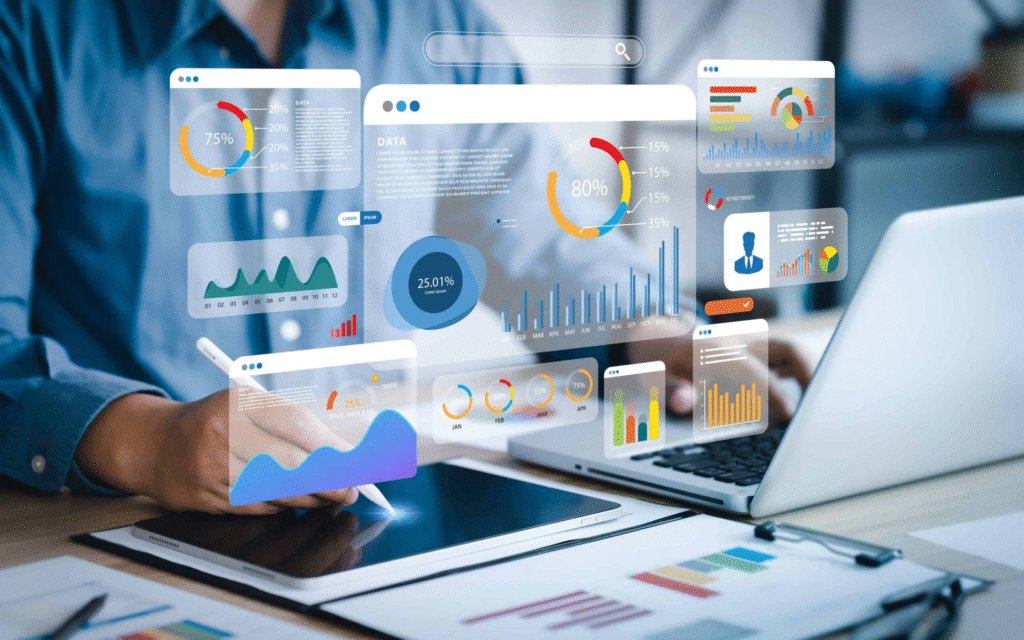

Performance marketing has quickly become one of the most powerful ways to grow a business online. Unlike traditional advertising, where you spend money without guaranteed results, performance marketing ensures that you only pay when a specific action is completed—whether it’s a click, lead, or sale.
For beginners and small businesses, this model is especially useful. Even with a limited budget, you can create campaigns that deliver measurable and scalable results. The key lies in using the right strategy, tools, and mindset from the beginning.
Understanding Performance Marketing
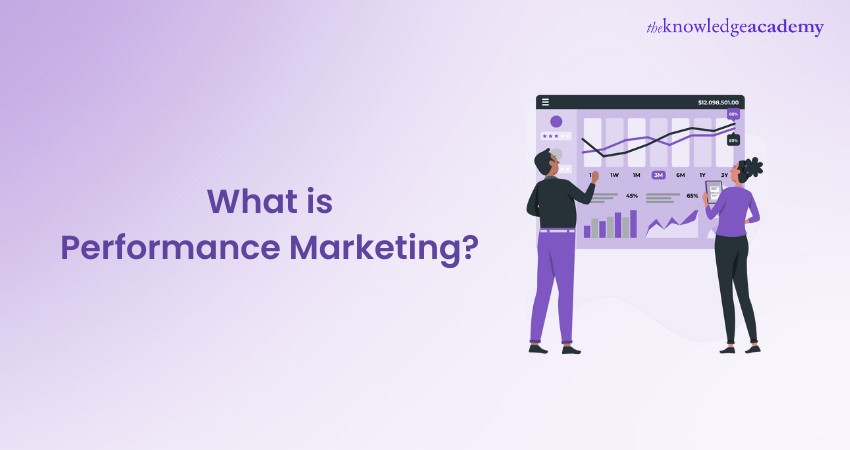
Performance marketing is a results-driven approach where advertisers pay only for outcomes. These outcomes can vary depending on your campaign goals, but they typically include website visits, sign-ups, or purchases.
What makes performance marketing stand out is its focus on data. Every campaign provides insights into what works and what doesn’t, allowing you to improve continuously. This is why it’s considered one of the most efficient forms of digital marketing today.
Why Low Budget is Not a Limitation
Many people believe that successful marketing requires a huge investment. In reality, starting with a low budget can actually be beneficial. It forces you to focus on efficiency, test strategies carefully, and avoid unnecessary spending.
A smaller budget reduces risk and encourages smarter decision-making. Instead of trying to reach everyone, you focus on targeting the right audience and delivering the right message. Over time, this approach leads to better results and a higher return on investment.
Setting Clear Goals Before You Start
Before launching any campaign, it’s important to define your objective. Without a clear goal, even a well-designed campaign can fail.
Common performance marketing goals include generating leads, increasing website traffic, boosting sales, or building an email list. Choosing one primary goal helps you stay focused and measure success effectively.
Choosing the Right Platform
Not all marketing platforms are suitable for low-budget campaigns. Instead of spreading your budget across multiple channels, it’s better to focus on one or two platforms where your target audience is most active.
Platforms like search engines are great for targeting users with high intent, while social media platforms work well for reaching specific audiences based on interests and behavior. For beginners, social media advertising often provides a more affordable entry point.
Starting Small and Testing Smartly

One of the biggest mistakes beginners make is spending too much money too quickly. Performance marketing is not about spending big—it’s about spending smart.
Start with a small daily budget and run your campaign for a few days. During this period, your main goal should be testing. You need to understand which ads, audiences, and messages are performing best.
Once you identify what works, you can gradually increase your budget and scale your campaign.
Targeting the Right Audience
Audience targeting plays a crucial role in the success of your campaign. Even the best ad will fail if it’s shown to the wrong people.
Focus on narrowing down your audience based on relevant factors like demographics, interests, and online behavior. A well-defined audience ensures that your budget is used efficiently and not wasted on irrelevant users.
Creating Effective Ads
Your advertisement is the first thing users notice, so it needs to capture attention instantly. A strong ad doesn’t just look good—it communicates value clearly and encourages action.
A good ad typically includes:
- A clear and engaging headline
- A simple and persuasive message
- A strong call-to-action
- Visually appealing design or video
The goal is to connect with the audience by addressing their problem and offering a solution.
Keeping Your Funnel Simple
When working with a low budget, simplicity is key. A complicated funnel can confuse users and reduce conversions.
The most effective structure is straightforward: users click on your ad, land on a page, and take action. Your landing page should be clean, easy to understand, and focused on a single objective.
Avoid adding too many distractions or unnecessary steps, as they can lead to drop-offs.
Tracking and Measuring Performance
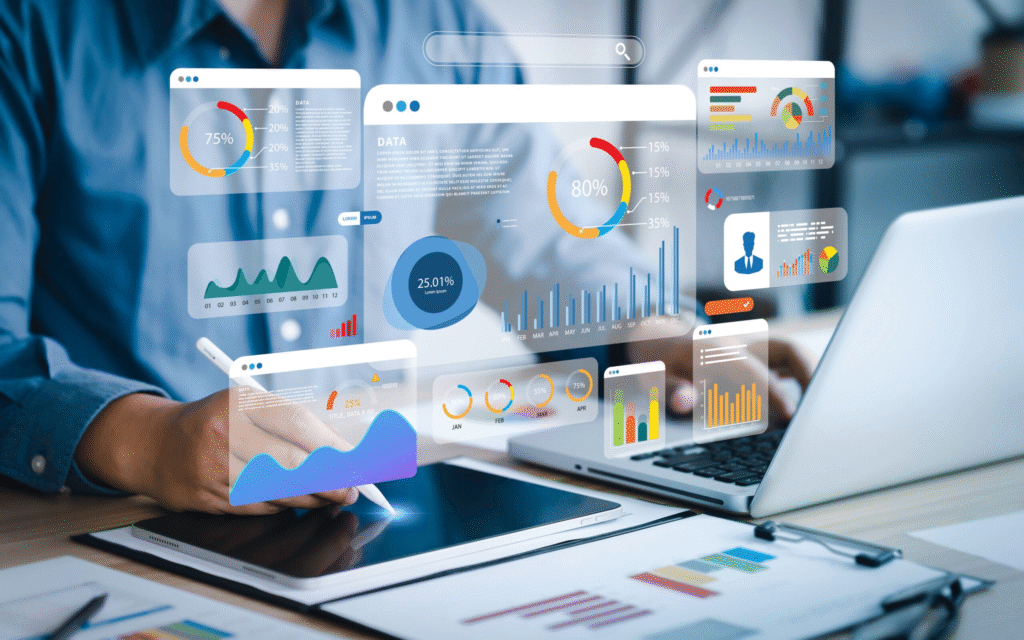
One of the biggest advantages of performance marketing is the ability to track everything. You can measure how many people clicked on your ad, how many converted, and how much each result cost you.
Important metrics to monitor include click-through rate, cost per click, conversion rate, and return on investment. These metrics help you understand whether your campaign is successful or needs improvement.
By analyzing data regularly, you can make informed decisions and improve your results over time.
Optimizing Your Campaign
Performance marketing is not a one-time activity—it’s an ongoing process. Once your campaign is live, you need to continuously optimize it.
This involves testing different variations of your ads, adjusting your targeting, and refining your messaging. Even small changes, such as modifying a headline or image, can have a significant impact on performance.
The more you test and optimize, the better your results will become.
Scaling Your Campaign Gradually
After identifying a successful campaign, the next step is scaling. However, scaling should be done carefully.
Instead of increasing your budget drastically, raise it gradually. This allows you to maintain performance while reaching a larger audience. You can also expand your targeting or explore new platforms once you have a proven strategy.
Patience is essential here. Scaling too quickly can lead to higher costs and reduced efficiency.
Common Mistakes to Avoid
Many beginners struggle with performance marketing because they overlook basic principles. Some common mistakes include spending too much too early, targeting a broad audience, ignoring data, and expecting instant results.
Avoiding these mistakes can save your budget and improve your chances of success.
Conclusion
Starting performance marketing with a low budget is not only possible but also highly effective when done correctly. It teaches you to focus on data, understand your audience, and make strategic decisions.
By starting small, testing consistently, and optimizing your campaigns, you can achieve meaningful results without a large investment. Over time, your experience and insights will allow you to scale your efforts and grow your business efficiently.
Performance marketing is not about how much you spend—it’s about how smartly you use your resources.
FAQs
1. What is performance marketing in simple terms?
Performance marketing is a digital marketing strategy where you pay only when a specific action happens, such as a click, lead, or sale. It focuses on measurable results rather than estimated reach.
2. Can I start performance marketing with a very low budget?
Yes, you can start with a small budget like ₹100–₹500 per day. The key is to focus on testing and optimizing your campaigns instead of spending large amounts initially.
3. Which platform is best for low-budget performance marketing?
Social media platforms like Facebook and Instagram are great for beginners because they offer detailed targeting at a lower cost. Search ads are also effective if you target high-intent keywords.
4. How long does it take to see results?
You can start seeing initial results within 5–7 days. However, consistent optimization is required to achieve profitable outcomes over time.
5. Do I need a website to start performance marketing?
No, a website is not always necessary. You can use landing pages, social media pages, or lead forms to collect responses and generate conversions.
- Best Food Creators to Follow in 2026: Reviews, Recipes & Trends

- Best Lifestyle Influencers in 2026: Top Creators to Follow

- Best Business Analytics Strategies for Data-Driven Growth in 2026

- Best Content Marketing Strategies in 2026 for Business Growth

- Most Popular Lifestyle Influencers to Follow in 2026