


In the digital marketing world, running ads has become easier than ever. However, achieving real conversions—whether it’s sales, leads, or sign-ups—is still a major challenge for many businesses. A successful ads strategy is not just about getting traffic; it’s about converting that traffic into meaningful results.
A winning ads strategy combines planning, audience understanding, creative execution, and continuous optimization. Without these elements, even a large budget can fail to deliver results. This guide will help you build an effective ads strategy that focuses on conversions and long-term growth.
Understanding the Foundation of a Winning Ads Strategy
Before diving into execution, it’s important to understand what makes an ads strategy successful. Many advertisers focus only on impressions and clicks, but these metrics don’t always translate into revenue. The real goal should be conversion-driven performance.
A strong ads strategy is built on three pillars: clarity, targeting, and data. Clarity ensures you know what you want to achieve. Targeting ensures your ads reach the right audience. Data helps you measure and improve performance over time.
Define Clear and Measurable Goals

Every successful ads campaign starts with a clear objective. Without a defined goal, it becomes difficult to measure success or optimize performance.
Your goals should be specific and measurable. For example, instead of saying “increase sales,” you should aim for something like generating 100 sales within 30 days at a specific cost per acquisition. This clarity helps you design your campaign more effectively and track progress accurately.
Different campaigns may have different goals. Some focus on brand awareness, while others aim for direct conversions. Choosing the right objective will influence your targeting, creatives, and budget allocation.
Know Your Target Audience Deeply
Understanding your audience is one of the most critical aspects of building a successful ads strategy. If your ads are shown to the wrong people, even the best creatives will fail.
You need to identify who your ideal customers are, what problems they face, and what motivates them to take action. This involves analyzing demographics, interests, online behavior, and purchase intent.
Creating a customer persona can help simplify this process. When you clearly define your audience, your messaging becomes more relevant, which directly improves your conversion rates.
Choose the Right Platform for Your Ads
Not all advertising platforms deliver the same results. The effectiveness of a platform depends on your business type, target audience, and campaign goals.
For example, search-based platforms work well when users already have intent, while social media platforms are better for discovery and engagement. Video-based platforms are ideal for storytelling and building brand awareness.
Instead of spreading your budget across multiple platforms, it is better to focus on one or two platforms where your audience is most active. This allows you to optimize performance and achieve better results.
Create High-Converting Ad Creatives

Your ad creative is the first interaction users have with your brand. It plays a crucial role in capturing attention and encouraging users to take action.
A strong ad creative should communicate value clearly and quickly. Users should understand what you are offering and why it matters to them within seconds. The messaging should focus on benefits rather than just features.
To improve performance, consider the following:
- Use simple and clear language
- Highlight the main benefit or solution
- Include a strong call-to-action
- Use visuals that grab attention
Testing different variations of creatives can help you identify what resonates best with your audience.
Optimize Your Landing Page for Conversions
Driving traffic to your website is only half the job. The real challenge is converting that traffic into leads or customers. This is where your landing page plays a critical role.
A good landing page should be aligned with your ad message. If users click on an ad expecting a specific offer, the landing page should deliver exactly that.
Key elements of a high-converting landing page include:
- A clear and compelling headline
- A focused message without distractions
- A strong and visible call-to-action
- Social proof such as testimonials or reviews
- Fast loading speed and mobile optimization
Even small improvements in your landing page can significantly increase your conversion rate.
Track the Right Metrics
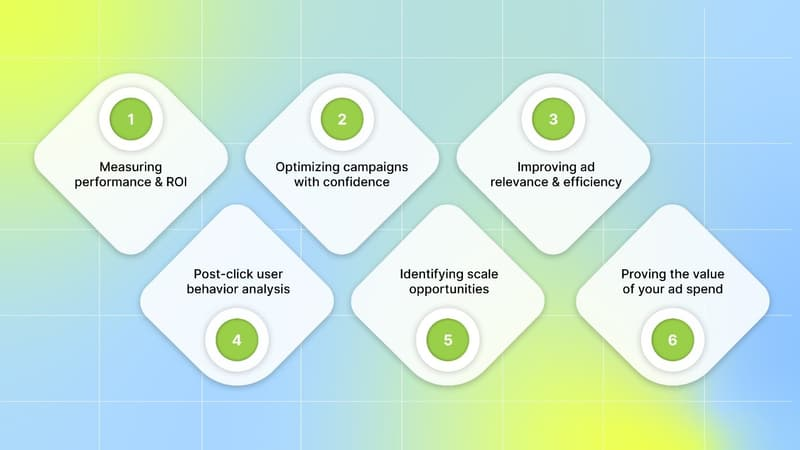
Data is the backbone of any successful ads strategy. Without tracking, you won’t know what’s working and what needs improvement.
While there are many metrics available, you should focus on those that directly impact your business goals. These include conversion rate, cost per acquisition, and return on investment.
Tracking tools and analytics platforms help you gather insights about user behavior, campaign performance, and overall effectiveness. By analyzing this data regularly, you can make informed decisions and improve your results.
Test and Experiment Continuously
No ads strategy works perfectly from the start. Continuous testing is essential to find the best-performing elements of your campaign.
You should experiment with different variations of headlines, visuals, ad copy, and audience segments. Even small changes can lead to significant improvements in performance.
A/B testing allows you to compare two versions of an ad and identify which one performs better. Over time, these insights help you build a more effective and optimized strategy.
Use Retargeting to Increase Conversions
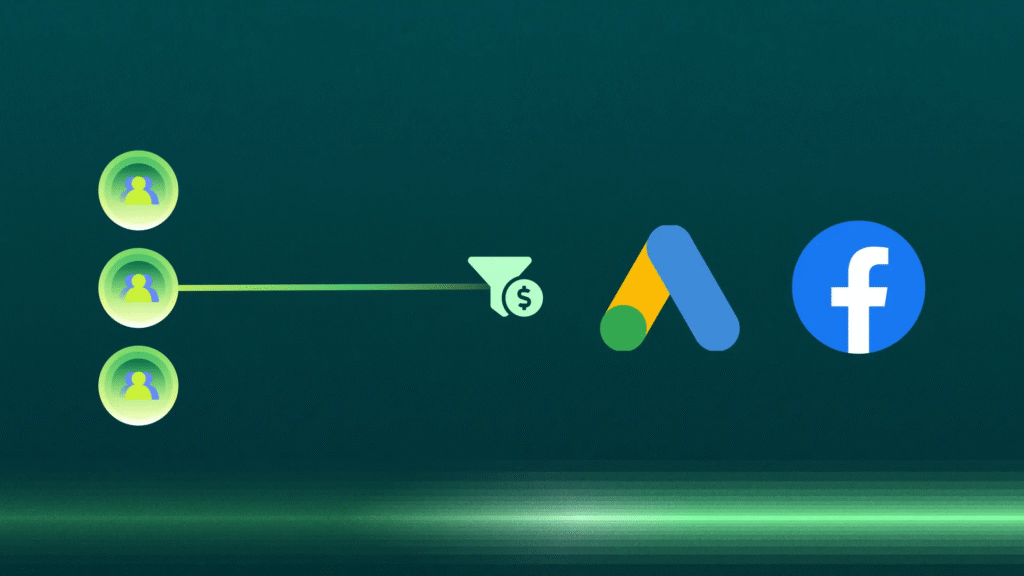
Most users do not convert on their first interaction with your brand. Retargeting allows you to reconnect with these users and encourage them to take action.
By showing ads to people who have already visited your website or interacted with your content, you increase the chances of conversion. Retargeting works especially well for abandoned carts, incomplete sign-ups, and repeat visits.
This approach not only improves conversion rates but also reduces the cost of acquiring new customers.
Manage and Optimize Your Budget
Budget management is a crucial part of any ads strategy. Spending more money does not guarantee better results. What matters is how effectively you use your budget.
Start with a smaller budget and gradually increase it as you identify what works. Allocate more resources to high-performing campaigns and reduce spending on underperforming ones.
A structured budget approach ensures that your investment is directed towards strategies that deliver the best returns.
Focus on Continuous Improvement
Digital advertising is constantly evolving. What works today may not work tomorrow. That’s why continuous optimization is essential for long-term success.
Regularly review your campaign performance, update your creatives, refine your targeting, and test new strategies. Staying updated with trends and adapting to changes will help you stay ahead of the competition.
Conclusion
Building a winning ads strategy that drives real conversions requires a balanced approach. It involves understanding your audience, creating compelling creatives, optimizing your landing pages, and using data to guide your decisions.
Success in advertising does not come from one perfect campaign but from consistent effort, testing, and improvement. By focusing on conversions rather than just clicks, you can create a strategy that delivers measurable and sustainable results.
FAQs
1. What makes an ads strategy successful?
A successful ads strategy focuses on clear goals, targeted audience, strong creatives, and continuous optimization based on data.
2. How long does it take to see results from ads?
Initial results can appear within a few days, but consistent performance improvement usually takes a few weeks of testing and optimization.
3. Why are my ads not converting?
Common reasons include poor audience targeting, weak ad creatives, or an ineffective landing page experience.
4. Should I run ads on multiple platforms?
It is better to start with one or two platforms and optimize them before expanding to others.
5. How important is retargeting in ads strategy?
Retargeting is very important as it helps convert users who have already shown interest but did not take action initially.