
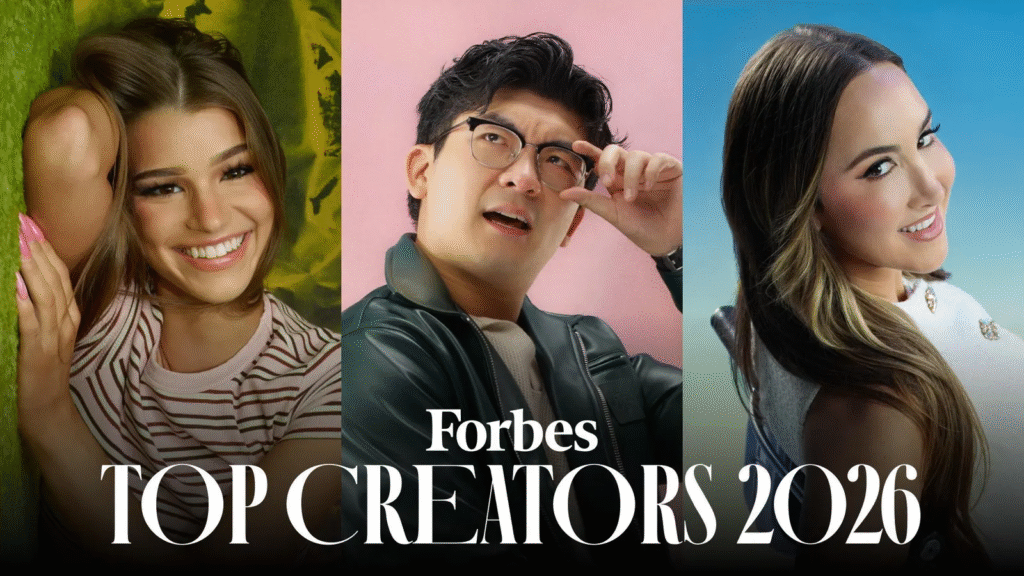

Lifestyle influencers have become a major part of how people discover new ideas, products, routines, destinations, fashion trends, and everyday inspiration. Instead of following only celebrities, audiences now connect with creators who share relatable experiences and build communities around their interests.
From fashion and wellness to travel, food, home décor, productivity, and personal growth, lifestyle creators cover almost every part of modern life. Some focus on highly polished visual content, while others have built their audiences around honest recommendations, everyday routines, and personal storytelling.
In 2026, lifestyle influencing continues to evolve as creators use short-form videos, long-form content, newsletters, podcasts, blogs, and other platforms to connect with their audiences.
What Is a Lifestyle Influencer?
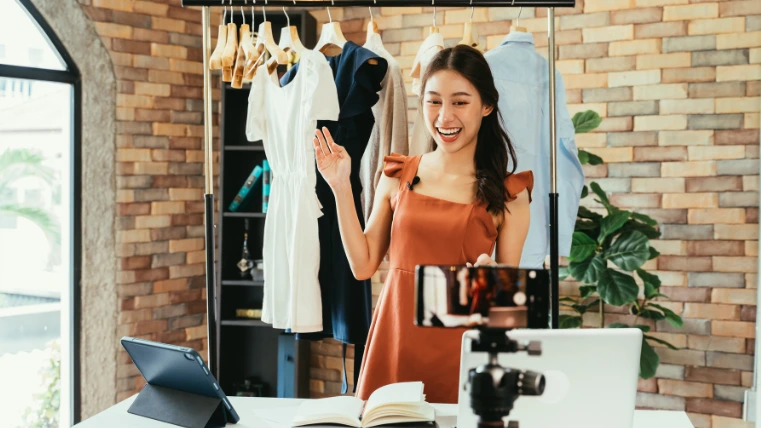
A lifestyle influencer is a content creator who shares aspects of their lifestyle, interests, experiences, or expertise with an online audience.
Unlike creators who focus on one highly specialized subject, lifestyle influencers often cover several related areas. One creator might post about fashion, travel, wellness, food, home décor, and daily routines on the same platform.
Their influence usually comes from the relationship they build with their audience. Followers may look to them for ideas, recommendations, inspiration, product discoveries, or simply entertaining content.
| Lifestyle Influencer Type | Common Content |
|---|---|
| Fashion Creator | Outfits, styling, shopping and trends |
| Beauty Creator | Skincare, makeup and beauty routines |
| Travel Creator | Destinations, hotels and travel tips |
| Wellness Creator | Fitness, routines and healthy habits |
| Food Creator | Recipes, restaurants and food experiences |
| Home Creator | Décor, organization and interiors |
| Parenting Creator | Family routines and parenting experiences |
| Productivity Creator | Organization, planning and work habits |
Why Lifestyle Influencers Are So Popular
One reason lifestyle creators have grown so quickly is that their content often feels personal.
A traditional advertisement tells people about a product, while a creator might show how that product fits into their everyday routine. That difference can make the content easier for audiences to understand.
Lifestyle influencers also provide inspiration that people can adapt to their own lives. A travel video may inspire a weekend trip, a home organization post may give someone an idea for their workspace, and a simple outfit video may offer styling inspiration.
Social platforms have also made lifestyle content easier to discover. A creator with a relatively small following can reach a much larger audience when a video or post performs well.
Top Lifestyle Influencer Categories to Follow in 2026

There is no single type of lifestyle influencer. Different creators appeal to different interests and audiences.
Fashion and Style Influencers
Fashion influencers share outfit ideas, styling tips, seasonal trends, accessories, shopping finds, and wardrobe inspiration.
Their content can range from luxury fashion to affordable everyday outfits. Many creators also focus on practical styling, such as creating multiple looks from a small wardrobe.
For followers, the biggest value is often seeing how trends can be adapted to real-life situations.
Beauty and Skincare Influencers
Beauty creators cover makeup, skincare, haircare, personal grooming, and beauty trends.
Some focus on tutorials, while others share product reviews, routines, comparisons, and beauty recommendations.
When following beauty influencers, it is useful to remember that everyone’s skin, hair, and preferences are different. A product that works well for one creator may not work the same way for another person.
Travel Influencers
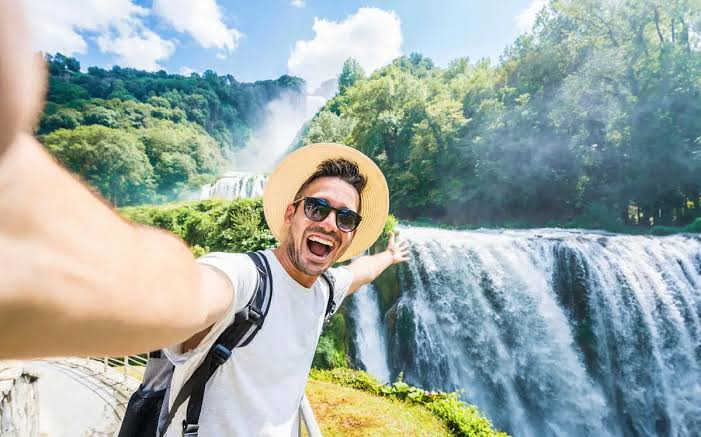
Travel creators make it easier to discover destinations before booking a trip.
Their content can include city guides, hotel experiences, local food, packing tips, itineraries, transportation information, and hidden attractions.
Good travel content goes beyond attractive photos. Useful creators often explain practical details such as costs, transportation, timing, and what to expect at a destination.
Wellness and Fitness Influencers
Wellness influencers often focus on exercise, routines, food, mindfulness, sleep, productivity, or general lifestyle habits.
Fitness content can range from beginner workouts to specialized training. Wellness creators may also share morning routines, meal ideas, organization tips, or ways to build healthier daily habits.
It is important to distinguish general lifestyle inspiration from professional medical or nutritional advice when evaluating this type of content.
Food and Cooking Influencers
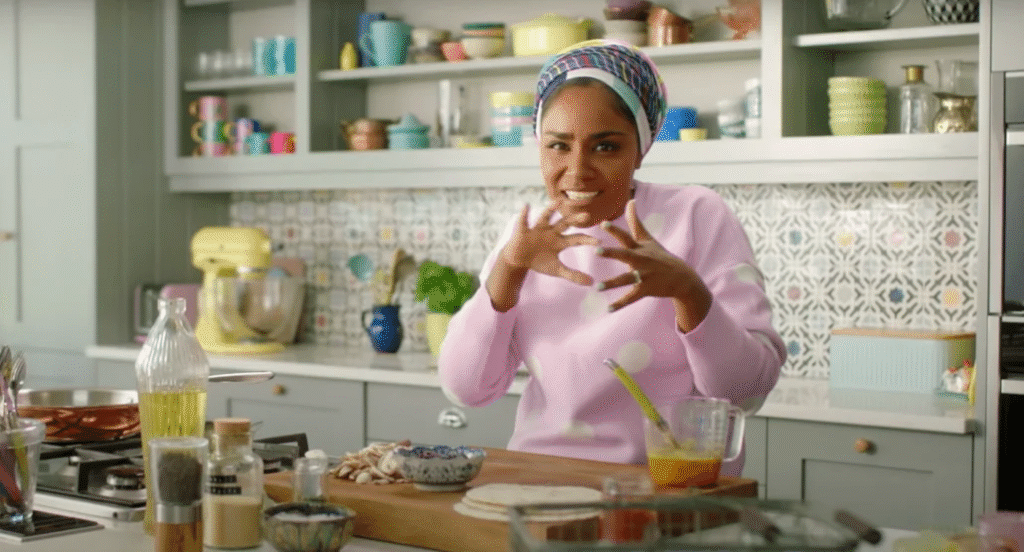
Food creators have transformed social media into a huge source of recipe ideas and restaurant discoveries.
Some creators specialize in quick recipes, while others explore local restaurants, regional cuisine, baking, meal preparation, or international food.
Short recipe videos are particularly popular because viewers can quickly understand the ingredients and basic preparation process.
Home and Interior Influencers
Home influencers share décor ideas, organization tips, room makeovers, furniture inspiration, cleaning routines, and DIY projects.
Their content is especially useful for people who want to improve a room without completely redesigning their home.
Small changes such as lighting, storage, wall décor, textiles, and furniture placement can sometimes make a noticeable difference.
What Makes a Lifestyle Influencer Stand Out?
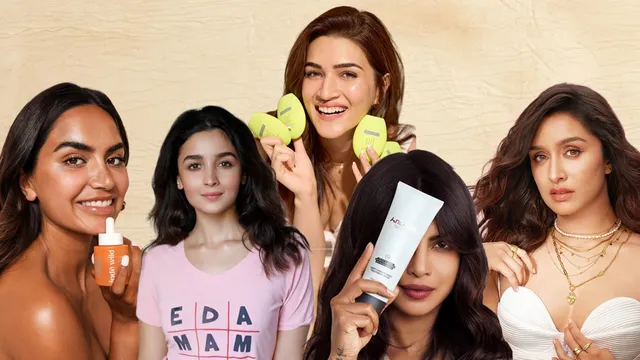
Follower count is only one part of an influencer’s online presence. A creator with a smaller but highly engaged audience can have a strong connection with their community.
Several qualities can make lifestyle content more appealing:
- Consistent posting
- A recognizable content style
- Genuine storytelling
- Useful recommendations
- Clear communication
- Good visual presentation
- Audience interaction
- Original ideas
- Transparency around sponsored content
Consistency is particularly important. Audiences are more likely to remember creators who have a clear identity and regularly produce content around topics they care about.
Lifestyle Influencer Content Formats
Influencers are no longer limited to traditional social media posts. Creators now use multiple formats to reach different audiences.
| Format | Best Used For |
|---|---|
| Short Videos | Quick tips, trends and routines |
| Long Videos | Detailed guides and storytelling |
| Photos | Fashion, travel and product inspiration |
| Stories | Behind-the-scenes and daily updates |
| Blogs | Detailed guides and reviews |
| Podcasts | Conversations and personal stories |
| Newsletters | Direct audience communication |
| Live Streams | Real-time interaction |
Using multiple formats can help creators reach people who prefer different ways of consuming content.
How to Find Lifestyle Influencers Worth Following
With thousands of creators publishing content every day, finding the right accounts can take some time.
Start by identifying the topics you actually enjoy. If you are interested in travel, look for creators who provide useful destination information rather than simply posting attractive photos.
For fashion, consider whether the creator’s style matches your preferences and budget. For food content, look for creators who provide enough information to recreate a recipe or understand a restaurant experience.
It is also useful to look at how creators communicate with their audiences. Genuine interaction can be a sign that the creator is building a community rather than simply collecting followers.
Lifestyle Influencers and Brand Partnerships
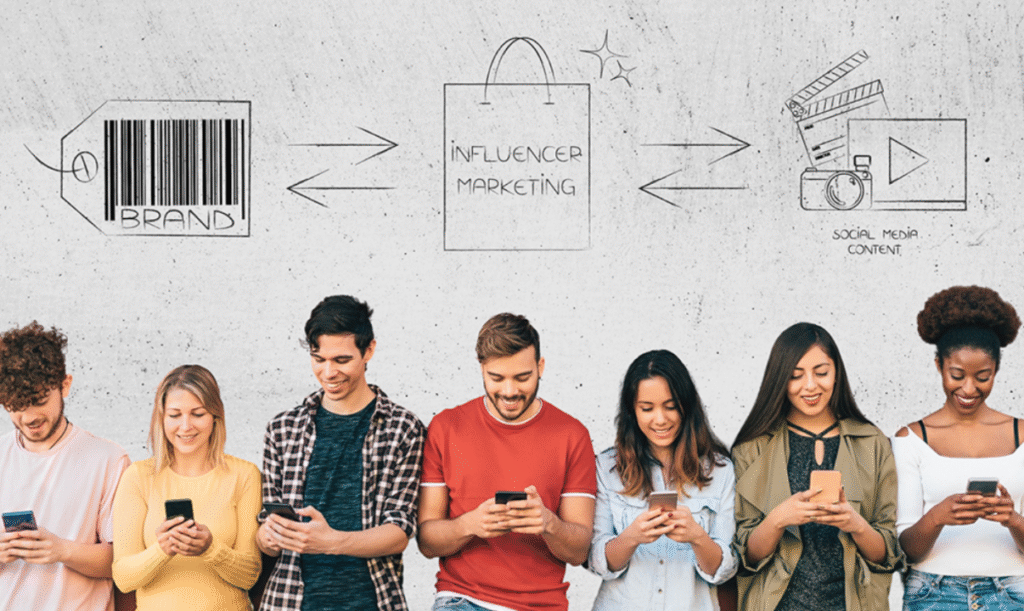
Brand collaborations have become an important part of the creator economy.
A lifestyle influencer may work with brands through sponsored posts, affiliate links, product launches, event appearances, or long-term partnerships.
The best partnerships usually make sense for both the creator and the audience. For example, a travel creator working with a luggage company may have a natural connection between the product and their content.
Transparency is important when sponsored content is involved. Audiences should be able to understand when a creator has a commercial relationship with a brand.
How Lifestyle Influencers Build Their Personal Brand
Successful creators often develop a recognizable identity instead of posting completely unrelated content.
A personal brand can include:
Visual identity: Consistent photography, video style, colors, or editing.
Content themes: A clear set of subjects that appear regularly.
Voice: A recognizable way of communicating with followers.
Values: Ideas or interests that help audiences understand what the creator represents.
Community: Regular interaction with followers through comments, messages, live sessions, or other formats.
A strong personal brand does not necessarily mean every post looks identical. Instead, there should be a recognizable connection between the creator and their content.
Lifestyle Influencer Trends in 2026
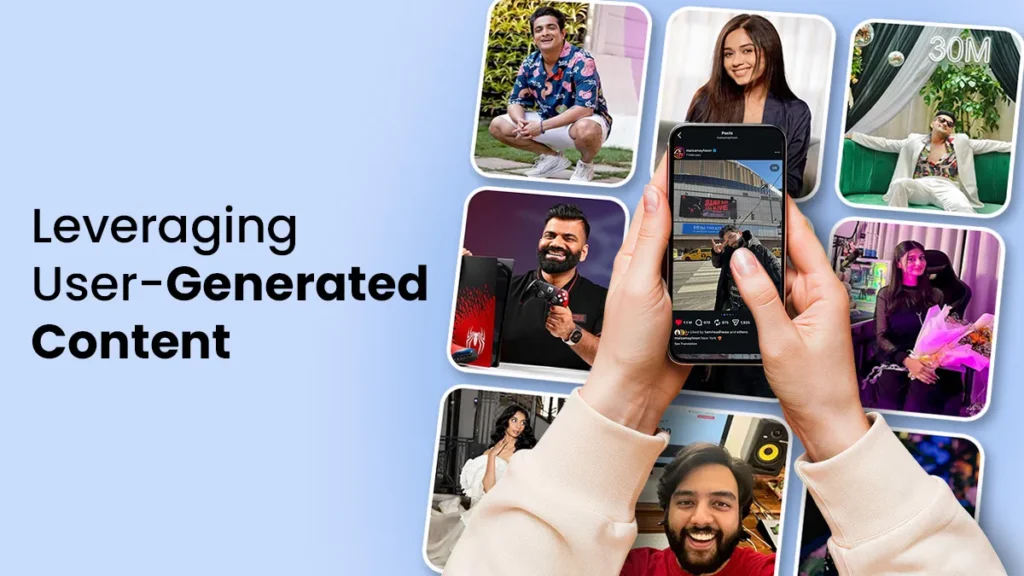
Lifestyle content continues to move toward more personal and practical storytelling.
Highly polished content still has its place, but audiences are also interested in behind-the-scenes moments, realistic routines, personal experiences, and educational content.
Short-form video remains useful for discovery, while longer videos, blogs, podcasts, and newsletters can provide more detailed information.
Another noticeable trend is the combination of different niches. A creator may blend fashion with travel, fitness with food, or home décor with sustainability.
This allows creators to develop a broader identity while still maintaining recognizable content themes.
Tips for New Lifestyle Creators
Starting a lifestyle account can feel overwhelming because established creators already have large audiences. However, new creators do not need to copy what everyone else is doing.
Start with a few topics you genuinely enjoy. Create content consistently and pay attention to what your audience finds useful.
Instead of focusing only on follower numbers, look at comments, saves, shares, watch time, and meaningful conversations.
Most importantly, give the audience a reason to follow you. It could be your perspective, useful tips, personality, creativity, storytelling, or a specific combination of interests.
Common Mistakes Lifestyle Influencers Should Avoid
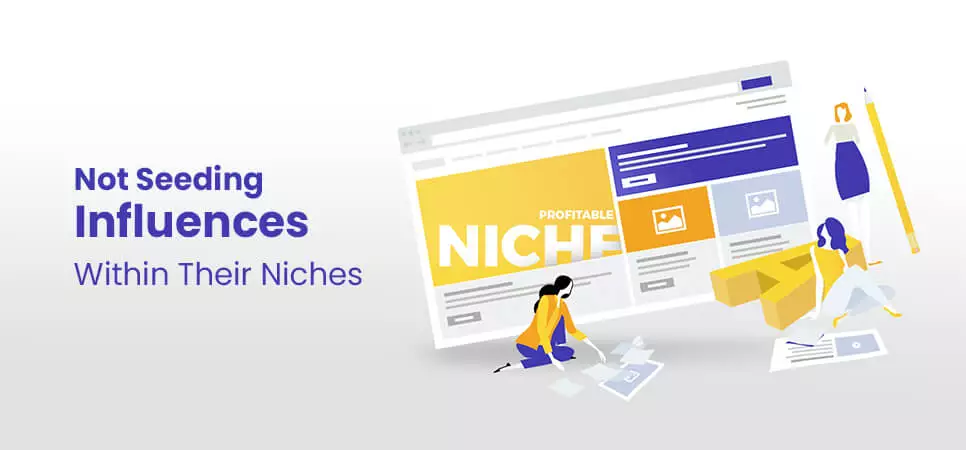
Growing an audience takes time, and some approaches can make the process more difficult.
One common mistake is trying to follow every trend. Trends can help with visibility, but constantly changing your content can make it difficult for audiences to understand what your account is about.
Another mistake is focusing entirely on follower numbers. A smaller community that actively engages with your content can be more valuable than a large audience with little interaction.
Creators should also avoid presenting sponsored content as completely independent recommendations. Clear disclosure helps maintain trust with the audience.
- Best Food Creators to Follow in 2026: Reviews, Recipes & Trends

- Best Lifestyle Influencers in 2026: Top Creators to Follow

- Best Business Analytics Strategies for Data-Driven Growth in 2026

- Best Content Marketing Strategies in 2026 for Business Growth

- Most Popular Lifestyle Influencers to Follow in 2026

Frequently Asked Questions
What does a lifestyle influencer do?
A lifestyle influencer creates content around everyday interests such as fashion, beauty, travel, food, wellness, home décor, productivity, or personal experiences.
How do I find good lifestyle influencers to follow?
Start with topics you enjoy and look for creators who consistently provide useful, entertaining, or relatable content. Check their recent posts to see whether their style matches your interests.
Can anyone become a lifestyle influencer?
Yes. Anyone can create lifestyle content, but building a significant audience generally requires consistency, original content, audience interaction, and a clear content direction.
How do lifestyle influencers make money?
Creators may earn through brand partnerships, sponsored content, affiliate marketing, digital products, memberships, advertising, events, and other creator-economy opportunities.
