If I ask you how much time you spent on the internet yesterday, you may not know the exact number. However, you probably remember searching something on Google, scrolling through Instagram, watching videos on YouTube, or checking messages on WhatsApp.
Now think about something interesting.
Whenever you see an advertisement while scrolling Instagram, or search for a product on Google and find certain websites appearing at the top of the results, it is not happening by chance. Behind every advertisement, search result, video recommendation, and social media post, there is a strategy designed to attract potential customers.
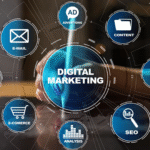
This entire process is known as Digital Marketing.
Digital Marketing is the practice of promoting products, services, brands, or even personal skills through internet-based platforms. Instead of relying only on traditional methods such as newspapers, television, or radio, businesses now use websites, search engines, social media platforms, email, and online advertising to connect with their target audience. The goal is not just to sell products but also to create awareness, build trust, educate customers, and develop long-term relationships.
The main goal of Digital Marketing is not only selling, but also building awareness, trust, and long-term relationships with the audience.
Understanding Digital Marketing Through a Real-Life Example
Imagine you have started a bakery. Your cakes are delicious, your customer service is excellent, and your products are high quality. However, there is one major problem: people don’t know your bakery exists.
Even the best product cannot generate sales if nobody knows about it. This is where marketing becomes important.
A few years ago, a bakery owner might have distributed pamphlets, advertised in newspapers, or installed banners around the city. While those methods still work in some situations, modern customers spend most of their time online. As a result, businesses now focus on reaching customers where they already spend their attention.
A bakery owner today can create an Instagram page to showcase cakes, appear on Google Maps when people search for nearby bakeries, build a website to display products and pricing, upload short videos on YouTube, and share special offers through WhatsApp.
When someone searches for “Best Bakery Near Me”, appearing in those results can directly bring new customers to the business. This is one of the simplest examples of how Digital Marketing works in the real world.
Why Has Digital Marketing Become So Important?
The rise of smartphones and internet access has completely changed customer behavior. Before making a purchase, most people now search online, compare products, watch reviews, and read customer feedback.
Think about your own buying habits. Before purchasing a smartphone, laptop, course, or even a restaurant meal, you probably check reviews, compare options, and gather information online. Businesses understand this behavior, which is why they invest heavily in Digital Marketing.
The simple reality is that customers are online, and businesses need to be where their customers are. Digital Marketing bridges this gap by helping brands reach the right audience at the right time.
How Does Digital Marketing Actually Work?
Many beginners assume that Digital Marketing is only about running advertisements. In reality, advertising is just one part of a much larger process.
Digital Marketing works by guiding potential customers through a journey. Most people do not see an advertisement and immediately make a purchase. Instead, they go through several stages before making a decision.
For example, imagine you see a smartphone advertisement on Instagram. You become curious and search for more information on Google. After that, you watch YouTube reviews, compare features with competing products, read customer feedback, and finally make a purchase. If your experience is positive, you may even recommend the product to others.
This entire process is supported by different Digital Marketing channels working together. That is why Digital Marketing is not only about selling products—it is also about building trust and creating relationships.
Traditional Marketing vs Digital Marketing
             Traditional Marketing
                       │
    ┌──────────────────┐
    │                  │                  │
 📰 Newspaper       📺 TV Ads         📻 Radio
    │                  │                  │
    └──────────────────┘
                       ↓
                Limited Tracking


                       VS


               Digital Marketing
                       │
    ┌──────────────────┐
    │                  │                  │
  🔍 Google       📱 Instagram      ▶️ YouTube
    │                  │                  │
    └──────────────────┘
                       ↓
                Detailed Analytics
Marketing has existed for decades, but the methods have evolved significantly.
Traditional Marketing relies on offline channels such as newspapers, television commercials, radio advertisements, and printed materials. While these methods can reach large audiences, measuring their effectiveness is often difficult.
Digital Marketing, on the other hand, allows businesses to track almost every action. Companies can see how many people viewed an advertisement, clicked a link, visited a website, or completed a purchase.
Comparison Table
Traditional Marketing
Digital Marketing
Newspaper Ads
Google Ads
TV Commercials
YouTube Ads
Radio Advertising
Podcasts
Posters & Banners
Social Media
Difficult to Measure
Easy to Measure
Local Reach
Global Reach
Fixed Cost
Flexible Budget
The Biggest Advantage of Digital Marketing: Measurability
One of the reasons businesses prefer Digital Marketing is the ability to measure results.
Suppose you publish a blog article on your website. Using tools such as Google Analytics, you can see how many people visited the page, where they came from, how much time they spent reading, and whether they completed a desired action.
This level of information allows businesses to make better decisions and continuously improve their marketing strategies.
Example Metrics Table
Metric
Meaning
Visitors
Total users who visited
Time on Page
Average reading time
Clicks
User interactions
Conversion Rate
Percentage of customers
Bounce Rate
Users who left quickly
Digital Marketing Is Not Just for Big Companies
One of the biggest myths about Digital Marketing is that it is only useful for large corporations. In reality, almost anyone can benefit from these skills.
A student can use Digital Marketing to build a personal brand and showcase projects online. A freelancer can attract clients through a website and LinkedIn profile. A local business owner can appear in Google Maps results and reach nearby customers. Bloggers can attract search traffic through SEO, while YouTubers can grow their audience using content strategies and video optimization techniques.
Practical Use Cases
Person
How They Use Digital Marketing
Student
Portfolio & Personal Branding
Freelancer
Client Acquisition
Local Business Owner
Local Visibility
Blogger
Organic Traffic
YouTuber
Audience Growth
The Interesting Truth
The most surprising thing about Digital Marketing is that many people are already using it without even realizing it. If you post content on Instagram, write blogs, upload videos on YouTube, promote anything through WhatsApp, or simply maintain a professional profile on LinkedIn, you are already part of Digital Marketing in some form.
The only difference is that right now you may be doing these things casually, without understanding the strategy behind them. But as you move forward in this course, you will start to see how every post, search, video, and ad is actually connected to a bigger marketing system. You will not just use these platforms, but you will understand how to use them in a planned and professional way to reach the right audience and achieve better results.
Ready to Learn More? You’ve just learned the fundamentals of Digital Marketing. Keep exploring the next articles in this series to understand SEO, Content Marketing, Social Media Marketing, and other powerful strategies that businesses use to grow online every day.
The more you learn, the easier it becomes to recognize and apply Digital Marketing in the real world. 👉 Keep Learning Digital Marketing
FAQ
1. What is Digital Marketing in simple words?
Digital Marketing is the process of promoting products, services, brands, or personal skills through online platforms such as Google, social media, websites, email, and digital advertisements.
2. Why is Digital Marketing important?
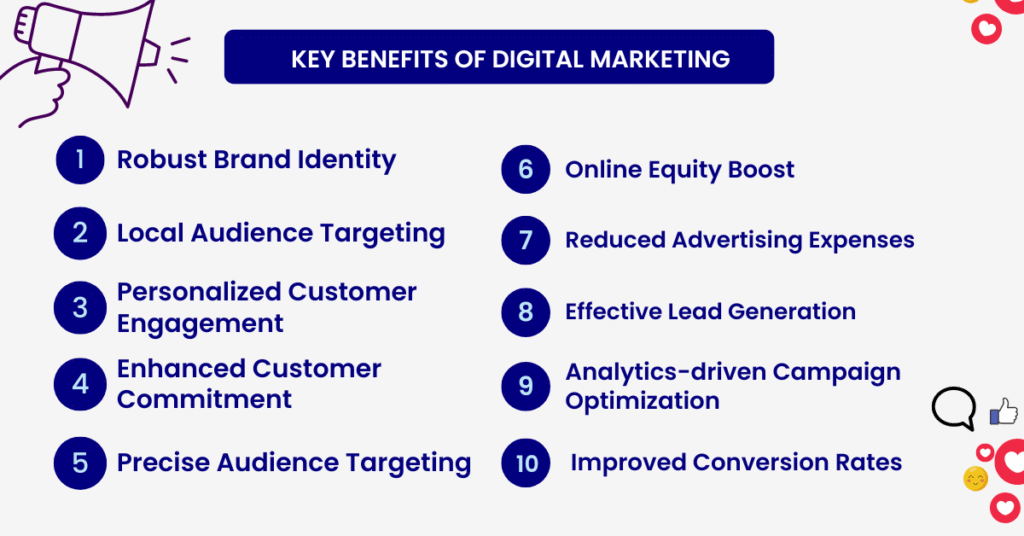
Digital Marketing helps businesses reach a larger audience, build brand awareness, generate leads, increase sales, and track results more effectively than many traditional marketing methods.
3. Is Digital Marketing only for businesses?
No. Digital Marketing can be used by students, freelancers, bloggers, content creators, YouTubers, and professionals who want to build their online presence and reach more people.
4. What are the main types of Digital Marketing?
Some of the most popular types of Digital Marketing include SEO, Content Marketing, Social Media Marketing, Email Marketing, Google Ads, Affiliate Marketing, and YouTube Marketing.
Continue Learning
Digital Marketing is a vast field, and this guide was just the beginning. As you continue learning, you’ll discover how different strategies work together to help businesses grow online.
In the upcoming articles, we’ll explore:
➡ Traditional Marketing vs Digital Marketing ➡ Benefits of Digital Marketing ➡ Types of Digital Marketing ➡ Digital Marketing Career Opportunities
Each topic will help you build a deeper understanding of the digital marketing ecosystem and prepare you for more advanced concepts like SEO, Content Marketing, Social Media Marketing, Google Ads, and Analytics.
Stay curious, keep learning, and continue exploring the next lessons to strengthen your digital marketing knowledge step by step.