


In the age of social media, influencing has evolved into a powerful career option. From promoting products to shaping opinions, influencers play a major role in digital marketing. However, one of the biggest challenges beginners face is securing brand deals. Many assume that only influencers with large followings get opportunities, but that is no longer true.
Today, brands are more interested in engagement, authenticity, and niche relevance than just follower count. This means that even if you are just starting out, you can land brand deals with the right strategy and approach. This guide will help you understand how to position yourself as a valuable influencer and start collaborating with brands.
Understanding Brand Deals
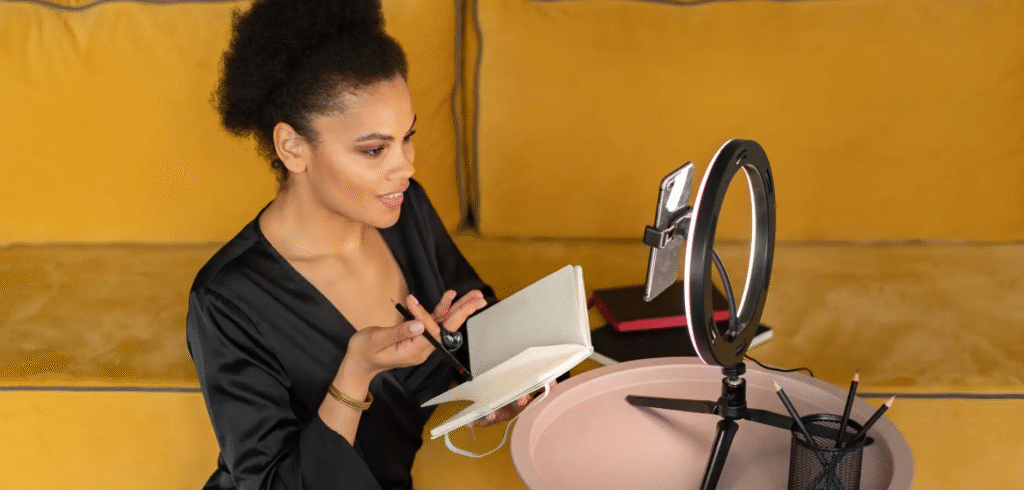
Brand deals are partnerships where companies collaborate with influencers to promote their products or services. These collaborations can be paid, barter-based, or a mix of both. For beginners, it is common to start with product-based collaborations, which help build credibility and experience.
Instead of focusing only on money in the beginning, it is more beneficial to focus on building relationships and gaining exposure. Over time, as your profile grows, these opportunities can turn into well-paid collaborations.
Building a Strong Foundation
Before reaching out to brands, you need to build a strong base. This starts with choosing a niche that defines your content and audience. A clear niche helps brands understand what type of audience you attract and whether you are a good fit for their campaigns.
Your social media profile should clearly reflect your niche and personality. A professional profile picture, a well-written bio, and clear contact information make a strong first impression. Think of your profile as your digital portfolio—it should instantly communicate your value.
Content quality is equally important. You don’t need expensive equipment, but your content should be visually clear, engaging, and meaningful. Whether you are posting videos, photos, or reels, focus on storytelling and delivering value to your audience.
The Importance of Engagement
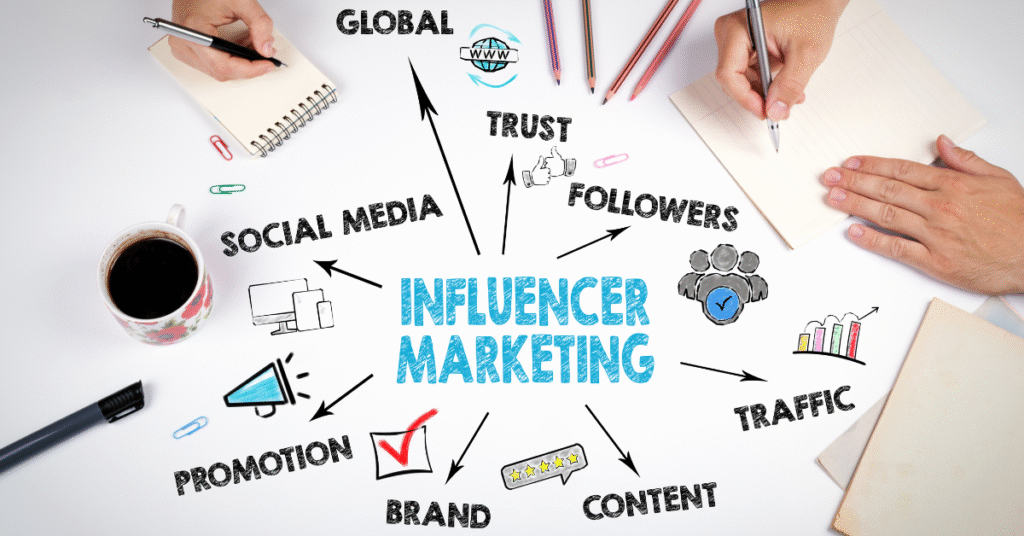
While many beginners focus on increasing followers, engagement is what truly matters. Brands prefer influencers whose audience actively interacts with their content. Likes, comments, shares, and saves are indicators that your audience trusts you.
To build engagement, you need to connect with your audience on a personal level. Responding to comments, asking questions in captions, and using interactive features like polls or Q&A sessions can significantly improve interaction. Consistency also plays a key role. Posting regularly keeps your audience engaged and helps build trust over time.
Starting Small and Smart
One of the most effective ways to get your first brand deals is by starting small. Instead of waiting for big brands to approach you, focus on smaller or local businesses. These brands are often more open to working with beginner influencers.
You can approach them with a simple collaboration idea where you promote their product in exchange for free items or exposure. These early collaborations help you gain experience and build a portfolio, which is essential when approaching bigger brands later.
At this stage, your goal should not just be earning money but building credibility. Every collaboration adds value to your profile and increases your chances of getting better opportunities.
Reaching Out to Brands
Many influencers make the mistake of waiting for brands to contact them. As a beginner, you need to take initiative. Reaching out to brands directly can significantly increase your chances of getting deals.
When contacting a brand, keep your message professional and concise. Introduce yourself, explain your niche, and mention why you are interested in collaborating with them. Personalization is important—avoid sending generic messages to multiple brands.
A simple and clear pitch increases the likelihood of a response. Even if you don’t get a reply immediately, consistency in outreach can eventually lead to opportunities.
Creating a Media Kit

A media kit is a document that showcases your profile, audience, and performance. It acts as a professional presentation that helps brands understand your value quickly.
Your media kit should include key information such as your niche, audience demographics, engagement rate, and previous collaborations. Even if you are a beginner, you can create a simple media kit that highlights your strengths.
Having a media kit not only makes you look professional but also builds trust with brands. It shows that you are serious about your work and ready for collaborations.
Maintaining Professionalism
Professionalism is one of the most underrated aspects of influencer marketing. Once you start getting brand deals, how you handle them determines your long-term success.
Delivering content on time, following brand guidelines, and maintaining clear communication are essential. Brands prefer working with influencers who are reliable and easy to work with. A good experience can lead to repeat collaborations and long-term partnerships.
Consistency is equally important. Your growth depends on your ability to show up regularly and improve your content over time. Even when results are slow, staying consistent will eventually pay off.
Mistakes to Avoid
Many beginners unknowingly make mistakes that affect their growth and credibility. It is important to be aware of these and avoid them early on.
- Buying fake followers or engagement, which damages trust
- Posting inconsistently, leading to low audience retention
- Ignoring audience interaction and feedback
- Copying other creators instead of building originality
Authenticity is the key to long-term success. Brands and audiences both value genuine creators who bring unique perspectives.
Conclusion
Getting brand deals as a beginner influencer is not as difficult as it may seem. With the right approach, even small creators can attract meaningful collaborations. The key is to focus on building a strong foundation, creating quality content, and engaging with your audience.
Start small, be proactive in reaching out to brands, and maintain professionalism in every collaboration. Over time, your consistency and efforts will open doors to bigger opportunities. Influencer marketing is a journey, and every step you take brings you closer to success.
FAQs
1. Can I get brand deals with a small following?
Yes, many brands work with micro-influencers who have high engagement and a targeted audience.
2. Should I work for free in the beginning?
Barter collaborations are common for beginners and can help build your portfolio.
3. How do I make my profile attractive to brands?
Focus on a clear niche, high-quality content, and an engaged audience.
4. How often should I post content?
Consistency matters more than frequency. Posting regularly, even a few times a week, is effective.
5. When will I start earning from brand deals?
It varies, but with consistent effort, most beginners start seeing results within a few months.
- Google Analytics Explained: A Complete Guide for Website Owners
 If you own a website, understanding your visitors is essential for long-term success. Whether you run a personal blog, an e-commerce store, or a business website, knowing how people interact with your content helps you make informed decisions. This is where Google Analytics becomes an invaluable tool. Google Analytics is one of the world’s most…
 - Programmatic Advertising and AdTech: The Complete 2026 Guide
 Digital advertising has evolved rapidly over the past decade, and in 2026, programmatic advertising has become one of the most effective ways for businesses to reach the right audience at the right time. Instead of manually buying ad space, advertisers now rely on advanced AdTech platforms, artificial intelligence (AI), and real-time data to automate the…
 - The Ultimate Ads Strategy Guide to Maximize ROI in 2026
 Digital advertising continues to evolve at an incredible pace, and businesses that adapt to these changes are often the ones that achieve the strongest results. In 2026, running ads is no longer just about spending money to generate clicks. Success comes from understanding your audience, choosing the right platforms, creating engaging content, and constantly improving…