
In 2026, digital marketing has evolved into a highly competitive and data-driven space where businesses must carefully choose how they invest their time and money. Two of the most important strategies—performance marketing and brand marketing—continue to dominate discussions among marketers.
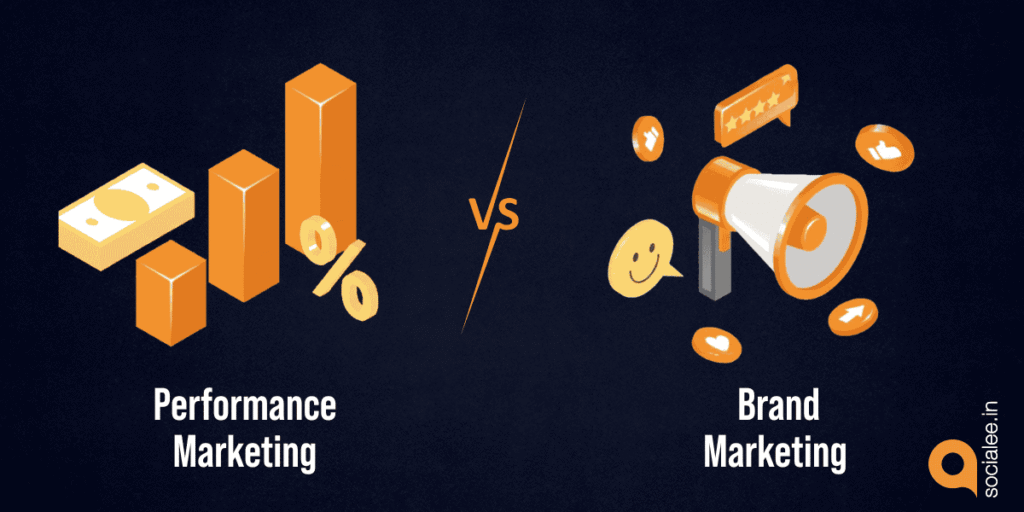
While both approaches aim to drive business growth, they work in very different ways. Performance marketing focuses on immediate and measurable results, whereas brand marketing is about building long-term trust and recognition. The challenge for modern businesses is not choosing one over the other, but understanding how to use both effectively.
Understanding Performance Marketing
Performance marketing is a results-oriented approach where businesses pay only when a specific action occurs. This could be a click, a lead, or a sale. It is highly measurable, allowing marketers to track every aspect of a campaign.
This strategy has gained significant traction in recent years due to advancements in artificial intelligence and analytics tools. Businesses can now monitor user behavior in real time and optimize campaigns instantly for better performance.
One of the biggest advantages of performance marketing is its ability to generate quick results. Companies that need immediate traffic or sales often rely heavily on paid advertising channels. However, this approach can become expensive over time, especially in highly competitive industries.
Understanding Brand Marketing
Brand marketing focuses on creating a strong identity and emotional connection with the audience. Instead of pushing for immediate sales, it aims to build trust, awareness, and loyalty over time.
In 2026, consumers are more informed than ever. They prefer brands they recognize and trust, which makes branding a critical component of any marketing strategy. A strong brand not only attracts customers but also retains them, reducing the need for constant advertising.
Unlike performance marketing, the results of brand marketing are not always immediately visible. However, its long-term impact on customer perception and business growth is undeniable.
Key Differences Between Performance Marketing and Brand Marketing
| Factor | Performance Marketing | Brand Marketing |
|---|---|---|
| Objective | Immediate conversions | Long-term awareness |
| ROI Measurement | Easily measurable | Difficult to measure directly |
| Timeframe | Short-term results | Long-term impact |
| Approach | Data-driven | Emotion-driven |
| Focus | Sales and leads | Trust and loyalty |
Why Performance Marketing is Growing in 2026
Performance marketing continues to dominate because businesses today demand quick and measurable outcomes. With the help of advanced tools, marketers can analyze campaign performance in real time and make data-backed decisions.
Some key reasons behind its growth include:
- Ability to generate instant traffic and sales
- Full control over budget and campaign scaling
- Detailed performance tracking and analytics
- AI-driven targeting and optimization
Despite these advantages, relying only on performance marketing can limit long-term growth. As advertising costs increase, businesses without a strong brand often struggle to maintain profitability.
Why Brand Marketing is Still Essential
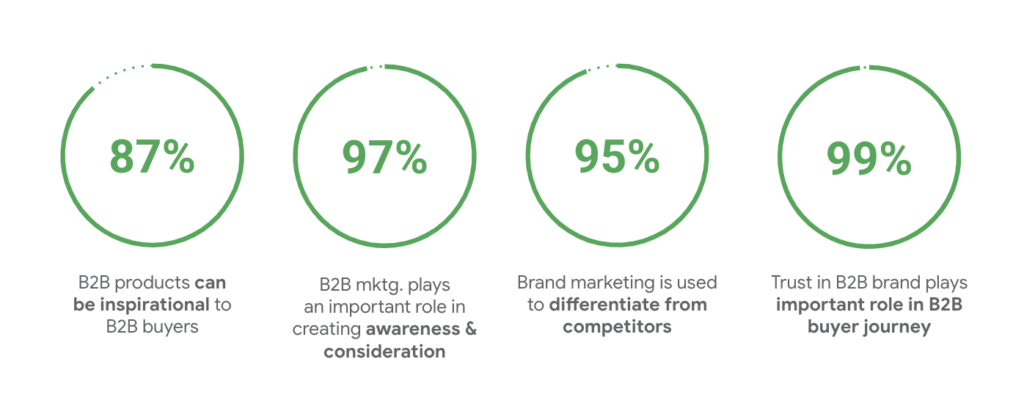
Even in a performance-driven world, brand marketing remains a cornerstone of sustainable success. It helps businesses stand out in crowded markets and creates a lasting impression on customers.
A strong brand influences customer decisions even before they interact with advertisements. It builds credibility and makes marketing efforts more effective overall.
Brand marketing becomes especially important in 2026 due to increasing concerns about data privacy and reduced access to third-party data. Companies are now focusing more on building direct relationships with their audience.
The Shift Toward a Hybrid Strategy
In 2026, the most successful businesses are not choosing between performance and brand marketing. Instead, they are combining both strategies to maximize results.
This hybrid approach allows companies to achieve short-term goals while building a strong foundation for the future. Brand marketing creates awareness and trust, while performance marketing converts that trust into measurable outcomes.
A practical way to implement this strategy is:
- Use brand marketing to attract and engage audiences
- Apply performance marketing to convert and retarget users
- Continuously optimize campaigns based on data insights
This combination ensures that businesses are not only acquiring customers but also building long-term relationships.
How Consumer Behavior is Influencing Marketing
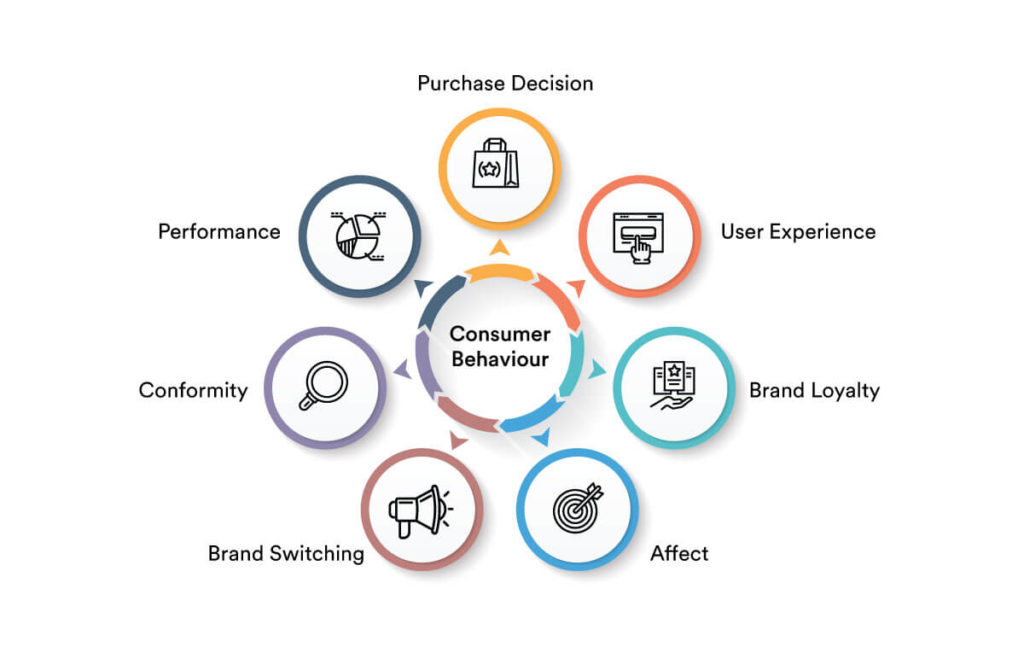
Consumer behavior has changed significantly in recent years. Customers no longer make impulsive decisions; they research, compare, and evaluate options before making a purchase.
In this environment, brand trust plays a crucial role. A well-known brand has a higher chance of converting customers compared to an unfamiliar one. Performance marketing may bring users to your website, but branding is what convinces them to stay and take action.
Common Mistakes Businesses Should Avoid
Many businesses fail to achieve desired results because they do not balance their marketing strategies effectively.
Some common mistakes include:
- Focusing only on short-term sales
- Ignoring the importance of brand building
- Expecting instant results from branding efforts
- Over-relying on paid advertisements
- Maintaining inconsistent brand messaging
Avoiding these mistakes can significantly improve marketing performance and overall business growth.
Which Strategy Works Better in 2026?
The answer depends on your business goals, but in most cases, a combination of both strategies delivers the best results.
Performance marketing is ideal for businesses looking for quick wins, such as startups or eCommerce brands. It helps generate immediate revenue and provides valuable insights into customer behavior.
Brand marketing, on the other hand, is essential for long-term success. It builds trust, strengthens customer relationships, and reduces dependency on paid campaigns.
In 2026, businesses that integrate both approaches are more likely to succeed. They can attract new customers while also retaining existing ones, creating a sustainable growth model.
Conclusion
Performance marketing and brand marketing are no longer opposing strategies. Instead, they complement each other in achieving business objectives.
Performance marketing delivers immediate results and helps businesses scale quickly. Brand marketing builds trust and ensures long-term stability. When combined effectively, they create a powerful marketing ecosystem that drives both growth and customer loyalty.
Rather than asking which strategy is better, businesses should focus on how to align both approaches with their goals. In today’s competitive landscape, success depends on balance, consistency, and the ability to adapt to changing trends.
FAQs
Q1. What is the main difference between performance marketing and brand marketing?
Performance marketing focuses on measurable results like sales, while brand marketing focuses on awareness and trust.
Q2. Can a business rely only on performance marketing?
It can work in the short term, but long-term growth requires strong branding.
Q3. Why is brand marketing important in 2026?
Because customers prefer trusted brands, especially in a highly competitive market.
Q4. Which strategy is better for beginners?
Performance marketing is useful for quick results, but branding should be developed alongside it.
Q5. What is the ideal approach?
A hybrid strategy that combines both performance and brand marketing.