
Digital advertising has evolved rapidly over the past decade, and in 2026, programmatic advertising has become one of the most effective ways for businesses to reach the right audience at the right time. Instead of manually buying ad space, advertisers now rely on advanced AdTech platforms, artificial intelligence (AI), and real-time data to automate the entire advertising process.
Whether you’re a business owner, marketer, publisher, or someone curious about digital advertising, understanding how programmatic advertising and AdTech work can help you create more effective campaigns, reduce wasted ad spend, and improve your return on investment (ROI).
This guide explains everything you need to know about programmatic advertising, how AdTech works, its benefits, challenges, trends, and best practices for success in 2026.
What Is AdTech?
AdTech, short for Advertising Technology, refers to the software, platforms, and digital tools used to create, manage, deliver, measure, and optimize online advertising campaigns.
AdTech connects advertisers with publishers through automated systems that determine which ads are shown, where they’re displayed, and who sees them. These technologies use data, automation, and machine learning to improve campaign performance while reducing manual work.
Today, AdTech powers advertising across websites, mobile apps, streaming services, social platforms, connected TV (CTV), digital audio, and more.
What Is Programmatic Advertising?
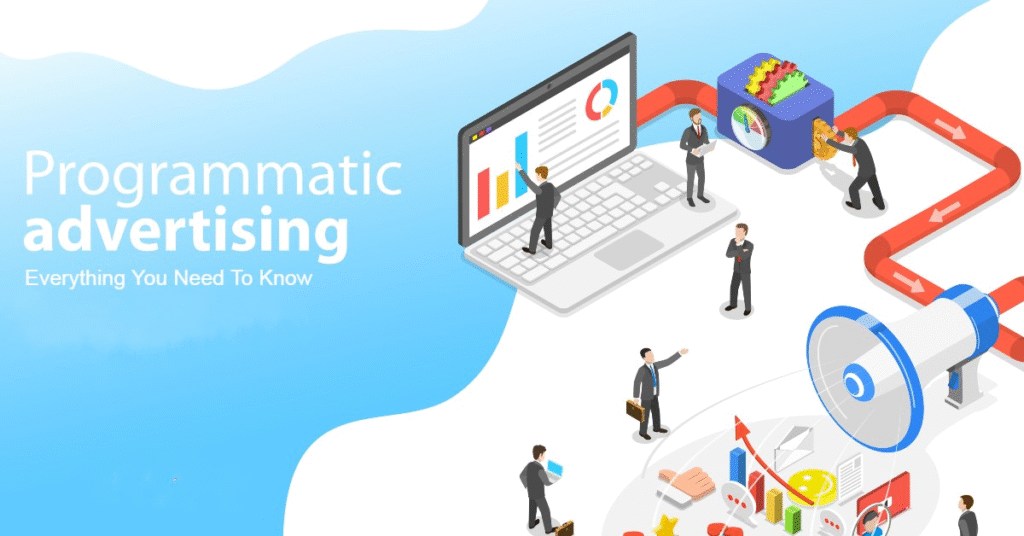
Programmatic advertising is the automated buying and selling of digital advertising inventory using software instead of manual negotiations.
When someone visits a website or opens an app, an automated auction can occur in milliseconds. Advertisers bid to display their ad to that specific user based on audience data, interests, browsing behavior, location, device type, and other relevant signals. The highest-value eligible ad is then displayed almost instantly.
This automation helps advertisers reach highly relevant audiences while enabling publishers to maximize the value of their advertising inventory.
How Programmatic Advertising Works
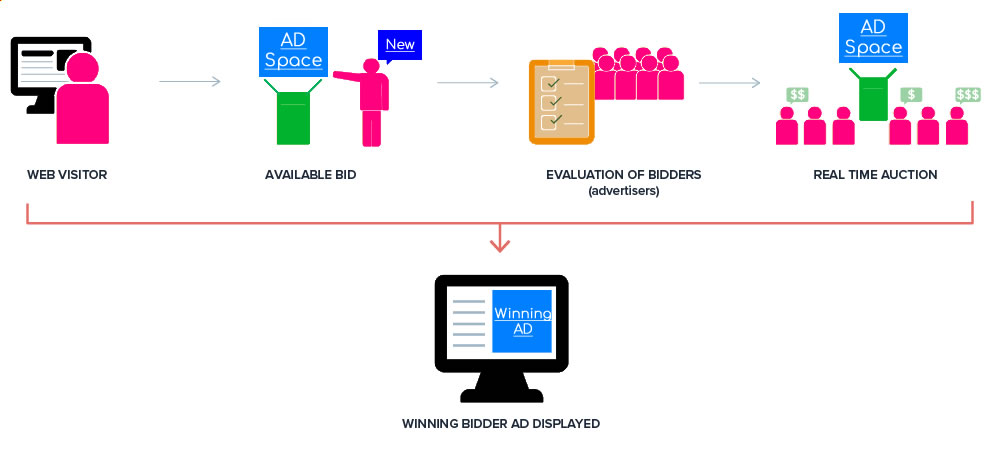
Although the technology behind programmatic advertising is sophisticated, the overall process is straightforward.
A user visits a website or app that contains advertising space. Information about the available ad impression is shared with advertising platforms. Advertisers interested in reaching users with similar characteristics automatically submit bids. The winning bid is selected, and the advertisement appears before the page finishes loading.
This entire process happens within a fraction of a second, providing a seamless experience for users while making advertising more efficient.
Key Components of the AdTech Ecosystem
Several technologies work together to power programmatic advertising.
| AdTech Component | Purpose |
|---|---|
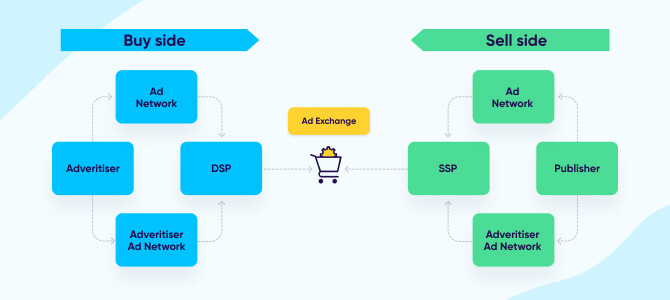
| Demand-Side Platform (DSP) | Allows advertisers to purchase digital ad inventory automatically. |
| Supply-Side Platform (SSP) | Helps publishers sell available advertising space efficiently. |
| Ad Exchange | Connects advertisers and publishers through automated auctions. |
| Data Management Platform (DMP) | Organizes audience data for improved targeting. |
| Customer Data Platform (CDP) | Uses first-party customer data to create personalized advertising strategies. |
| Ad Server | Delivers, tracks, and measures digital advertisements across channels. |
Each component plays an important role in making digital advertising faster, smarter, and more measurable.
Benefits of Programmatic Advertising
One of the biggest advantages of programmatic advertising is precision targeting. Instead of displaying ads to a broad audience, marketers can focus on users who are most likely to be interested in their products or services.
Automation also saves significant time by eliminating manual negotiations and repetitive campaign management tasks.
Other major benefits include:
- Better audience targeting
- Real-time campaign optimization
- Improved return on investment (ROI)
- Faster campaign execution
- Greater scalability
- Accurate performance reporting
- Reduced advertising waste
- Cross-device audience reach
These advantages make programmatic advertising suitable for businesses of all sizes.
Why AdTech Matters in 2026

Consumer behavior continues to evolve. People interact with brands across websites, mobile apps, streaming platforms, gaming environments, podcasts, and connected TVs.
Modern AdTech helps advertisers deliver consistent messaging across multiple digital channels while adapting campaigns in real time based on performance.
As privacy regulations continue to evolve, marketers are also shifting toward first-party data strategies, contextual targeting, and AI-powered optimization instead of relying heavily on third-party cookies.
Artificial Intelligence Is Transforming AdTech
Artificial intelligence has become one of the most valuable technologies in digital advertising.
AI analyzes large amounts of campaign data to identify patterns, predict user behavior, optimize bids, recommend creative improvements, and automate campaign adjustments.
Some of the most valuable AI applications include:
- Automated bid optimization
- Audience segmentation
- Predictive analytics
- Dynamic creative optimization
- Fraud detection
- Performance forecasting
- Budget allocation
These capabilities allow marketers to make smarter decisions while improving campaign performance with less manual effort.
Common Types of Programmatic Advertising
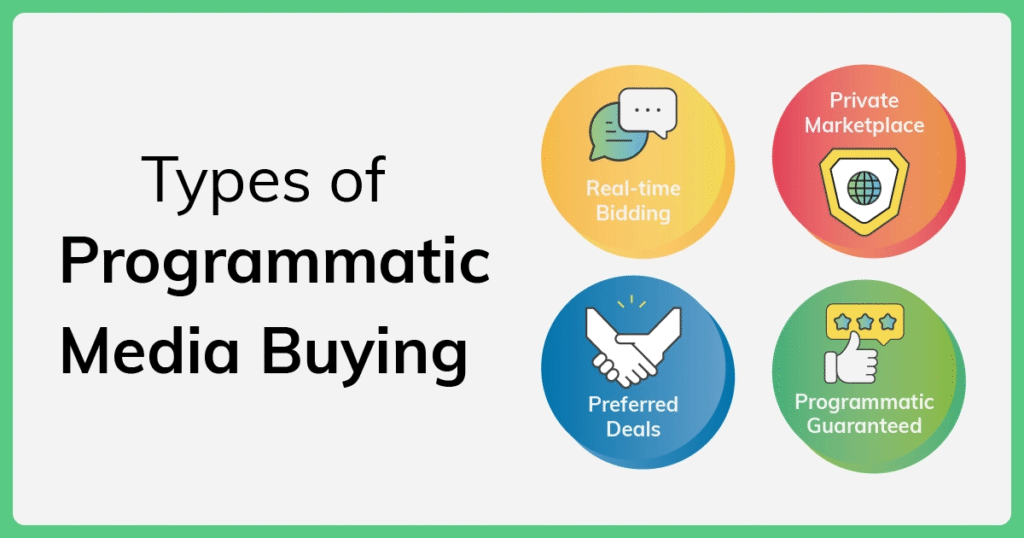
Programmatic advertising isn’t limited to website banners.
Today’s advertisers can purchase inventory across many formats, including:
- Display advertising
- Native advertising
- Video advertising
- Mobile advertising
- Connected TV (CTV)
- Digital audio advertising
- In-app advertising
- Digital out-of-home (DOOH) advertising
Using multiple advertising formats helps brands reach audiences throughout their digital journey.
Challenges Businesses Should Understand
While programmatic advertising offers significant advantages, it also comes with challenges.
Privacy regulations continue to reshape how user data can be collected and used. Advertisers must remain compliant with applicable laws and prioritize transparency.
Ad fraud is another concern. Invalid traffic, bots, and fraudulent impressions can reduce campaign effectiveness if advertisers don’t use proper verification tools.
Brand safety also remains important. Businesses should ensure their advertisements appear alongside appropriate, high-quality content.
Fortunately, modern AdTech platforms continue improving verification, fraud detection, and transparency.
Best Practices for Successful Programmatic Campaigns
Running successful programmatic campaigns requires more than simply automating ad buying.
Start by defining clear campaign objectives. Whether your goal is increasing brand awareness, generating leads, driving website traffic, or boosting sales, your strategy should align with measurable business outcomes.
Invest in high-quality creative assets because even the most advanced targeting cannot compensate for weak advertisements.
Regularly analyze campaign performance and make data-driven adjustments. Testing different audiences, creatives, bidding strategies, and placements helps identify what delivers the strongest results.
Most importantly, build strong first-party data through your website, CRM, email subscribers, and customer interactions. This data is becoming increasingly valuable as privacy standards evolve.
Emerging AdTech Trends in 2026
The AdTech industry continues to innovate rapidly.
Some of the biggest trends shaping digital advertising include:
- AI-powered campaign automation
- Privacy-first advertising solutions
- Contextual targeting replacing cookie-based targeting
- Growth of connected TV advertising
- Retail media networks
- Omnichannel advertising strategies
- Real-time analytics and predictive reporting
- Greater use of first-party customer data
Businesses that embrace these trends are better positioned to remain competitive in an increasingly digital marketplace.
How Small Businesses Can Benefit
Programmatic advertising is no longer reserved for large enterprises with massive budgets.
Many advertising platforms now offer flexible pricing options that allow small businesses to launch targeted campaigns with modest investments.
Local businesses can target nearby customers, online retailers can reach shoppers interested in specific products, and service providers can advertise to audiences actively searching for relevant solutions.
By combining audience targeting, automation, and continuous optimization, even smaller organizations can compete effectively in today’s digital advertising landscape.
Frequently Asked Questions (FAQs)
1. What is programmatic advertising?
Programmatic advertising is the automated process of buying and selling digital ad space using software and real-time bidding, allowing advertisers to reach targeted audiences more efficiently.
2. What does AdTech mean?
AdTech, or Advertising Technology, refers to the tools and platforms used to create, manage, deliver, optimize, and measure digital advertising campaigns across multiple online channels.
3. How does AI improve programmatic advertising?
AI helps optimize bidding, analyze audience behavior, personalize ad delivery, detect fraud, automate campaign management, and improve overall advertising performance.
4. Is programmatic advertising suitable for small businesses?
Yes. Many AdTech platforms offer flexible budgets and advanced targeting options, enabling small businesses to run cost-effective campaigns and reach relevant audiences without requiring large advertising budgets.