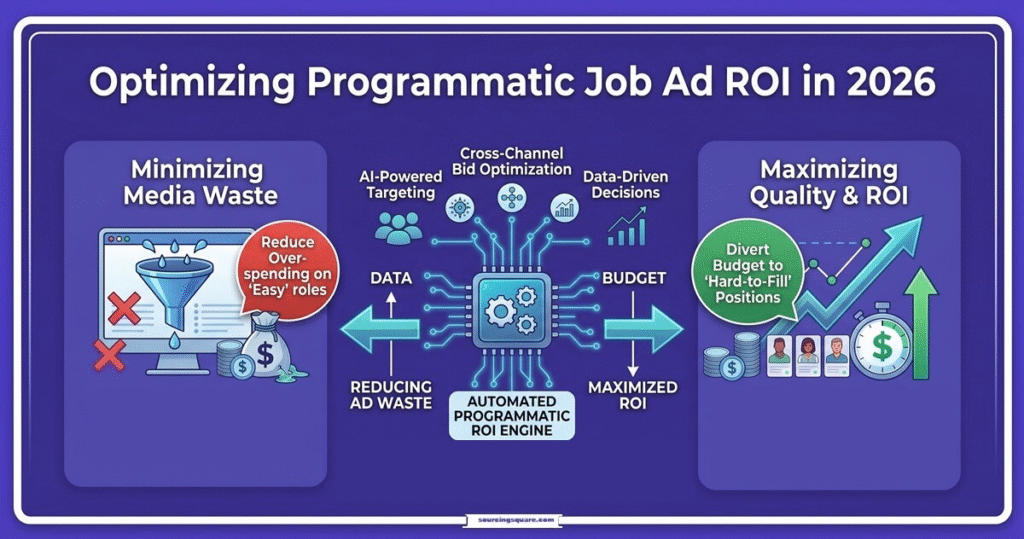

Digital advertising continues to evolve at an incredible pace, and businesses that adapt to these changes are often the ones that achieve the strongest results. In 2026, running ads is no longer just about spending money to generate clicks. Success comes from understanding your audience, choosing the right platforms, creating engaging content, and constantly improving campaigns through data.
Whether you’re a small business owner, an e-commerce brand, a startup, or a digital marketer, having a clear advertising strategy is essential. Without a plan, even a large advertising budget can produce disappointing results. On the other hand, a well-structured strategy can generate more leads, higher sales, and a stronger return on investment (ROI).
This guide explains the key elements of a successful ads strategy, the latest trends shaping digital advertising, and practical tips to help you maximize your ROI in 2026.
What Is an Ads Strategy?
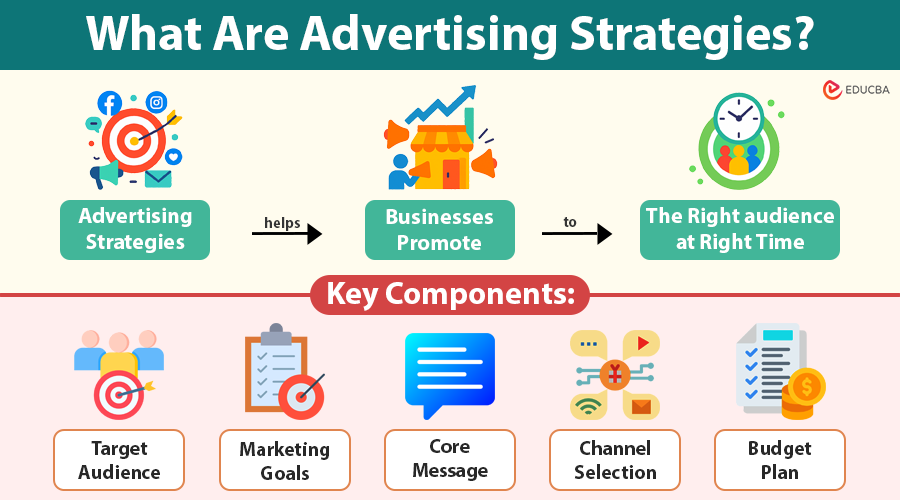
An ads strategy is a structured plan that outlines how a business will use paid advertising to achieve specific goals. Instead of launching random campaigns, an effective strategy identifies the target audience, selects the most suitable advertising platforms, determines the budget, creates compelling ad creatives, and measures campaign performance.
A strong strategy ensures that every advertising dollar is spent efficiently. It also makes it easier to adjust campaigns based on performance, helping businesses improve results over time rather than relying on guesswork.
Why ROI Matters in Digital Advertising
Return on Investment (ROI) measures how much value your advertising generates compared to the amount you spend. It is one of the most important metrics because it helps determine whether your campaigns are profitable.
A campaign with thousands of clicks may look successful, but if those clicks do not lead to sales or meaningful conversions, the investment may not be worthwhile. Focusing on ROI encourages marketers to optimize every part of the customer journey, from the ad itself to the landing page and final conversion.
Improving ROI doesn’t always require increasing your budget. Often, better targeting, stronger messaging, and ongoing optimization produce significantly better results.
Define Clear Advertising Goals
Every successful campaign starts with a specific objective.
Some businesses want to increase website traffic, while others focus on lead generation, online sales, app downloads, or brand awareness. Clearly defined goals help determine the right campaign type, bidding strategy, and success metrics.
For example, a local business launching a new service may prioritize lead generation, while an e-commerce store might focus on maximizing online purchases during a seasonal promotion.
Without clear objectives, measuring campaign success becomes much more difficult.
Know Your Target Audience

Understanding your audience is one of the biggest factors influencing advertising success.
Start by identifying who your ideal customers are. Consider demographics such as age, location, gender, income, education, and occupation. Then go deeper by analyzing interests, online behavior, purchasing habits, and common challenges.
Creating detailed customer personas helps you design ads that feel relevant rather than generic.
The more accurately you understand your audience, the easier it becomes to deliver personalized advertisements that generate higher engagement and conversion rates.
Choose the Right Advertising Platforms
Different platforms serve different audiences and marketing goals.
| Platform | Best For | Main Advantage |
|---|---|---|
| Google Ads | Search Intent | Reaches users actively searching for products or services |
| Facebook Ads | Brand Awareness & Leads | Advanced audience targeting |
| Instagram Ads | Visual Marketing | Excellent for lifestyle and e-commerce brands |
| LinkedIn Ads | B2B Marketing | Targets professionals and decision-makers |
| YouTube Ads | Video Marketing | Builds trust through engaging visual content |
| TikTok Ads | Younger Audiences | High engagement and creative storytelling |
| Microsoft Ads | Search Advertising | Less competition in some industries |
Instead of advertising everywhere, focus on the platforms where your audience spends the most time.
Create High-Quality Ad Creatives
Even the best targeting cannot compensate for poor ad content.
Strong advertisements immediately capture attention, communicate value, and encourage users to take action.
Effective ads usually include:
- Clear and benefit-focused headlines
- High-quality images or videos
- Persuasive yet natural copy
- A strong call-to-action (CTA)
- Consistent branding
Video content continues to outperform many static formats because it demonstrates products, tells stories, and builds emotional connections with potential customers.
Optimize Landing Pages
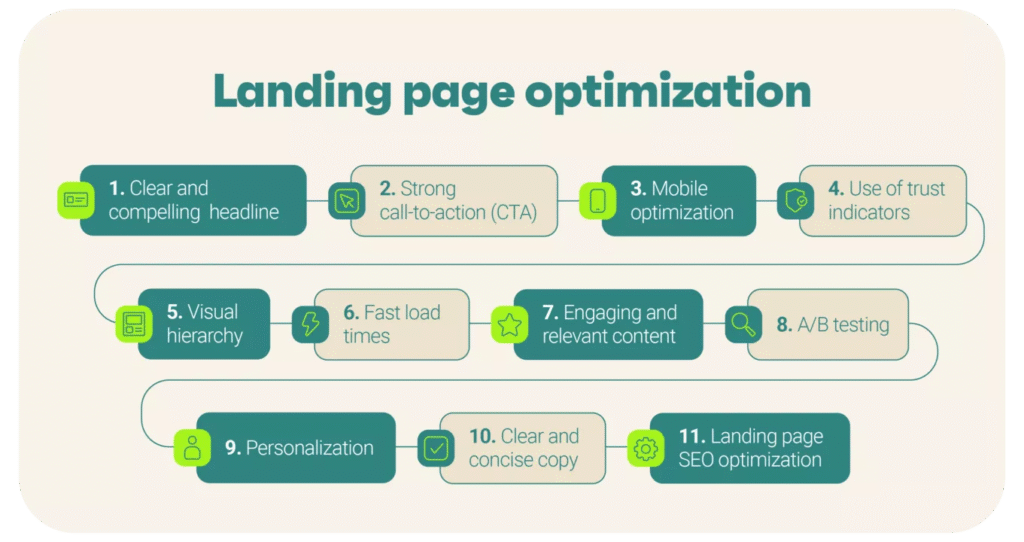
Many businesses focus heavily on ads while overlooking their landing pages.
When users click an advertisement, they expect a seamless experience. A slow website, confusing navigation, or irrelevant content often causes visitors to leave before converting.
An effective landing page should include:
- A clear headline
- Fast loading speed
- Mobile-friendly design
- Simple navigation
- Trust signals such as reviews or testimonials
- Easy-to-find call-to-action buttons
Improving landing pages often increases conversion rates without increasing advertising costs.
Use Audience Segmentation
Not every customer responds to the same message.
Segmenting your audience allows you to create personalized campaigns for different customer groups.
For example:
- New visitors may respond well to educational content.
- Returning visitors may need product comparisons.
- Existing customers may appreciate loyalty offers.
- Abandoned cart users often convert with reminder campaigns.
Personalized advertising generally produces higher click-through rates and stronger ROI.
Take Advantage of AI and Automation
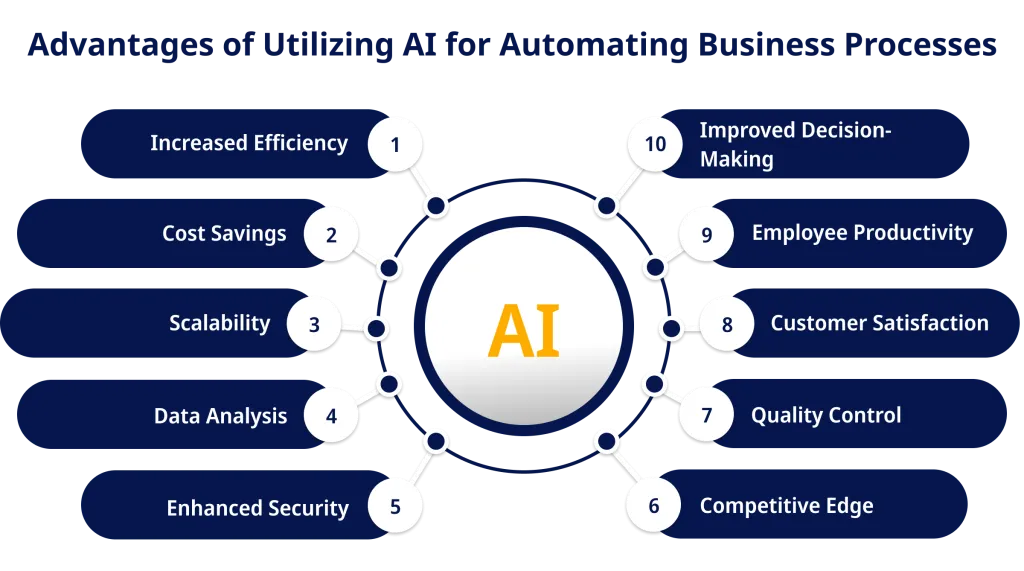
Artificial intelligence has become a valuable tool for advertisers.
Many advertising platforms now use AI to optimize bidding strategies, identify high-performing audiences, generate ad variations, and predict campaign performance.
Automation can save time while improving efficiency, but it should complement—not replace—human creativity and strategic decision-making.
Successful marketers regularly review AI recommendations and combine them with their own understanding of customer behavior.
Monitor Important Advertising Metrics
Successful advertisers rely on data rather than assumptions.
Some of the most valuable metrics include:
- Click-Through Rate (CTR)
- Conversion Rate
- Cost Per Click (CPC)
- Cost Per Acquisition (CPA)
- Return on Ad Spend (ROAS)
- Return on Investment (ROI)
- Customer Lifetime Value (CLV)
Tracking these metrics helps identify strengths, weaknesses, and opportunities for improvement.
Test and Improve Continuously
Digital advertising is never a “set it and forget it” activity.
Running A/B tests allows you to compare different headlines, images, videos, calls-to-action, audience segments, and landing pages.
Small improvements made consistently can dramatically increase campaign performance over time.
Successful marketers view optimization as an ongoing process rather than a one-time task.
Budget Smartly

A larger budget doesn’t automatically produce better results.
Start with a manageable budget, analyze performance, and gradually increase spending on campaigns that consistently generate positive ROI.
Avoid spreading your budget too thin across multiple platforms. Instead, focus on channels that deliver measurable business results.
Regular budget reviews help eliminate waste and maximize advertising efficiency.
Avoid Common Advertising Mistakes
Many campaigns fail because of preventable errors.
Common mistakes include targeting audiences that are too broad, using weak ad copy, ignoring mobile users, failing to track conversions, sending traffic to poor landing pages, and stopping optimization after launch.
Another frequent mistake is measuring only clicks instead of business outcomes like leads, sales, or revenue.
Learning from campaign data is one of the fastest ways to improve future performance.
Emerging Advertising Trends in 2026
Digital advertising continues to evolve as consumer behavior changes.
Several trends are shaping successful campaigns:
AI-powered personalization enables advertisers to deliver more relevant content to individual users.
Short-form video advertising remains one of the highest-performing formats across social media platforms.
First-party data strategies are becoming increasingly important as privacy regulations evolve and third-party cookies continue to decline.
Voice search advertising is growing alongside smart devices and voice assistants.
Interactive advertisements encourage users to engage directly with brands through quizzes, polls, augmented reality experiences, and immersive content.
Businesses that embrace these trends while maintaining strong fundamentals will be better positioned for long-term success.
Build a Long-Term Advertising Strategy
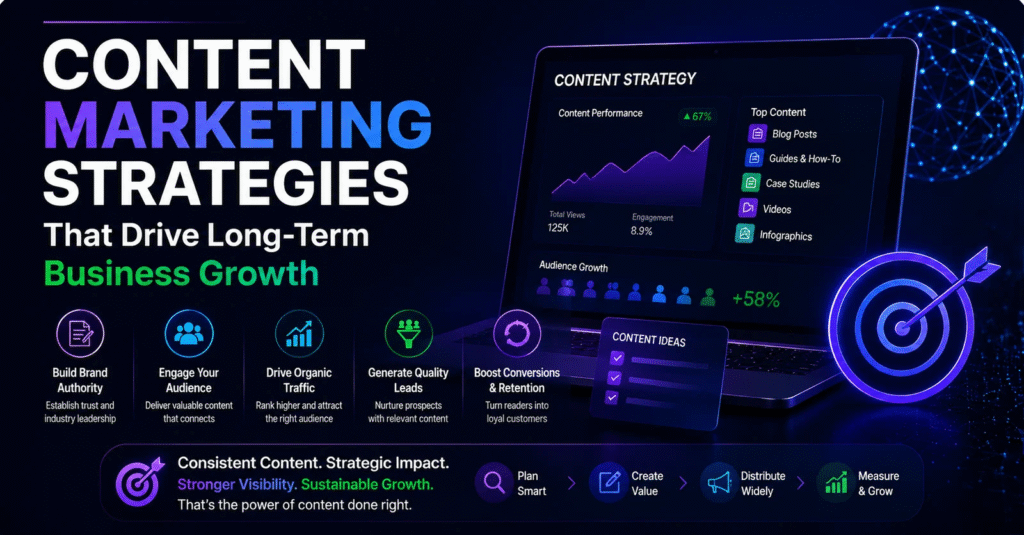
The most successful businesses treat advertising as an ongoing investment rather than a short-term expense.
Develop a strategy that includes consistent branding, regular content creation, continuous audience research, performance analysis, and campaign optimization.
As your business grows, your advertising strategy should evolve alongside changing customer needs and market conditions.
A sustainable approach produces stronger long-term ROI than relying only on occasional promotional campaigns.
Frequently Asked Questions
1. What is the most important part of an ads strategy?
Understanding your target audience is one of the most important factors. When your ads reach the right people with the right message, they are more likely to generate clicks, conversions, and a higher ROI.
2. Which advertising platform offers the best ROI?
There is no single best platform for every business. Google Ads often performs well for users with high purchase intent, while platforms like Facebook, Instagram, LinkedIn, TikTok, and YouTube can be more effective depending on your audience, goals, and industry.
3. How can I improve the ROI of my advertising campaigns?
You can improve ROI by refining audience targeting, creating compelling ad creatives, optimizing landing pages, tracking conversions, running A/B tests, and regularly adjusting campaigns based on performance data.
4. Is AI useful for digital advertising in 2026?
Yes. AI helps automate bidding, optimize targeting, generate creative variations, analyze campaign performance, and improve efficiency. It works best when combined with human strategy, creativity, and ongoing campaign management.