


Introduction: Why Website Optimization Matters
A website is more than just an online presence—it is the digital foundation of your business. No matter how good your content or products are, a slow, unoptimized website can push visitors away. Website optimization helps improve search rankings, increase traffic, and deliver a smooth user experience, making it essential for long-term online success.
What Is Website Optimization?
Website optimization is the process of improving website performance, structure, content, and usability to achieve better results on search engines and provide a superior experience to users. It focuses on both technical improvements and user-focused enhancements.
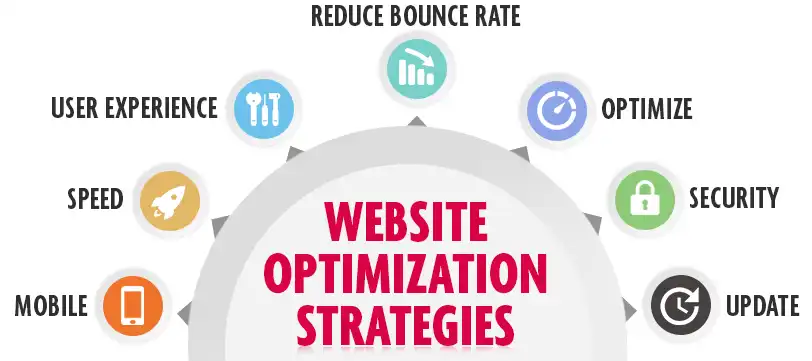
Website optimization ensures your site loads fast, works well on all devices, and guides users toward desired actions such as sign-ups, inquiries, or purchases.
How Website Optimization Improves Search Rankings
Search engines like Google prioritize websites that are fast, secure, mobile-friendly, and easy to navigate. Optimized websites send strong signals to search engines that users find the site valuable.
Optimized content, proper keyword placement, clean URLs, and strong internal linking help search engines understand your website better. Combined with technical improvements, website optimization significantly boosts organic rankings.
Driving More Traffic Through Website Optimization
Website optimization increases traffic by improving visibility and discoverability. When your site ranks higher, more users click through from search results.
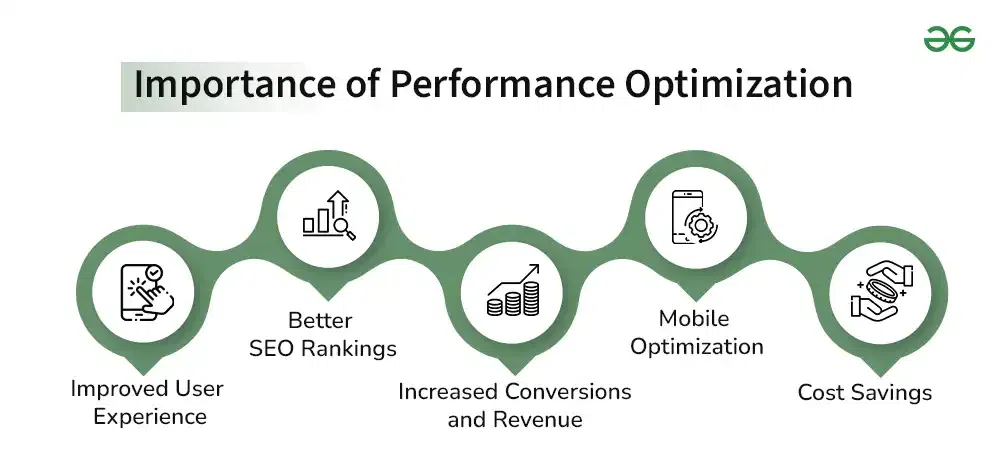
Optimized websites also encourage users to stay longer, explore more pages, and return again, increasing overall traffic quality. A positive user experience reduces bounce rates and increases engagement.
Key Benefits Include:
● Higher search engine rankings
Optimized websites strictly follow SEO best practices such as clean structure, proper keyword placement, and fast loading speed. Search engines can easily crawl and index such sites, which improves visibility in search results. Over time, consistent optimization builds authority and trust signals that boost rankings further.
● Increased organic traffic
When your website ranks higher, it naturally attracts more organic visitors who are actively searching for relevant information or services. This traffic is highly valuable because it is intent-driven and more likely to convert. Optimized pages also perform better in featured snippets and rich results.
● Improved user engagement
Fast load times, clean layouts, and well-structured content keep users engaged for longer durations. Visitors are more likely to scroll, read multiple pages, and interact with your website. Higher engagement metrics also signal quality to search engines, supporting better rankings.
● Better conversion rates
A smooth and intuitive user journey removes unnecessary friction from the decision-making process. Clear navigation, strong CTAs, and optimized layouts guide users toward desired actions. This directly increases sign-ups, purchases, and inquiries without increasing ad spend.
Website Optimization for Better User Experience (UX)
A positive user experience is the foundation of long-term website success. Visitors should feel comfortable, confident, and guided while browsing your website. When UX is optimized, users trust your brand more and are more likely to return.
Key UX Improvements Include:
● Clear navigation and structure
Well-organized menus and logical page hierarchies allow users to find information quickly and effortlessly. Clear navigation reduces confusion and frustration, especially for first-time visitors. It also helps search engines understand the relationship between pages.
● Fast page loading speed
Page speed plays a major role in user satisfaction and SEO rankings. Slow websites cause visitors to leave before the page fully loads. Optimizing images, scripts, and server performance ensures a smooth and responsive browsing experience.
● Mobile responsiveness
With the majority of users accessing websites via mobile devices, responsive design is essential. A mobile-friendly website adapts seamlessly to different screen sizes without breaking layouts. This improves accessibility, usability, and search engine performance.
● Readable content layout
Proper use of headings, font sizes, spacing, and white space makes content easy to scan and understand. Users can quickly find key information without feeling overwhelmed. Readable layouts also improve accessibility for all users.
SEO Optimization That Drives Rankings
Search engine optimization focuses on making your website more discoverable, relevant, and authoritative in search results. Strong SEO ensures your content reaches the right audience at the right time.
Essential SEO Elements:
● Keyword-focused content
Using relevant keywords naturally within headings, paragraphs, and metadata helps search engines understand your topic. Keyword-optimized content matches user search intent more accurately. This increases the chances of ranking for high-value search queries.
● Optimized meta titles and descriptions
Well-written meta titles and descriptions improve click-through rates from search engine results pages. They provide users with a clear idea of what the page offers. Higher CTRs signal relevance and quality to search engines.
● Internal linking strategy
Internal links help distribute page authority across your website. They guide users to related content and encourage longer browsing sessions. Search engines also use internal links to discover and index pages efficiently.
● Image optimization
Optimized images load faster and improve overall site performance. Using descriptive alt text enhances accessibility and helps images rank in image search results. Proper compression prevents slow loading issues.
Technical Optimization for Strong Performance
Behind-the-scenes optimization ensures your website functions smoothly for both users and search engines. Technical health directly impacts crawlability, indexation, and rankings.
Important Technical Factors:
● Secure HTTPS connection
HTTPS encryption protects user data and builds trust with visitors. Search engines consider secure websites more reliable and safe. This makes HTTPS a confirmed ranking factor.
● Clean URL structure
Short, descriptive URLs are easier for users to read and remember. They also help search engines understand page topics clearly. Clean URLs improve crawl efficiency and indexing accuracy.
● Core Web Vitals optimization
Core Web Vitals measure loading speed, interactivity, and visual stability. Optimizing these metrics improves user experience and reduces bounce rates. Google uses these signals as ranking factors.
● Error-free pages
Broken links, 404 errors, and crawl issues negatively impact user experience and SEO. Regular audits help identify and fix these problems. Error-free pages ensure smooth navigation and indexing.
Content Optimization for Engagement & Authority
High-quality content remains one of the strongest ranking signals. Optimized content should be valuable, relevant, and easy to consume for users.
Best Practices for Content Optimization:
● Clear headings and subheadings
Structured headings break content into manageable sections. This improves readability and allows users to scan quickly. Search engines also use headings to understand content hierarchy.
● Natural keyword usage
Keywords should flow naturally within the content without forcing repetition. Context-based usage improves readability and relevance. This approach prevents penalties related to keyword stuffing.
● Action-oriented CTAs
Strong CTAs guide users toward the next step, whether it’s signing up or contacting you. Clear messaging removes confusion and increases conversions. Effective CTAs align with user intent.
● Regular updates
Updating content keeps information accurate and relevant. Fresh content signals activity and reliability to search engines. It also encourages repeat visits from returning users.
Website Optimization Tools Overview
| Area | Tools | Purpose |
|---|---|---|
| Performance | Google PageSpeed Insights | Speed analysis |
| SEO | Google Search Console, Ahrefs | Ranking & visibility |
| UX Testing | Hotjar | User behavior tracking |
| Analytics | Google Analytics | Traffic & conversion data |
Common Website Optimization Mistakes
Many websites fail to perform due to slow loading times, poor mobile experience, cluttered design, and lack of clear CTAs. Ignoring analytics and user feedback also limits improvement.
Successful optimization requires continuous testing, monitoring, and refinement.
Future of Website Optimization
The future of website optimization will focus on AI-driven insights, voice search readiness, core web vitals, and personalized user experiences. Websites that adapt to these trends will maintain strong visibility and competitive advantage.
Disclaimer : This content is for informational purposes only. Website optimization results may vary based on industry, competition, and implementation strategies. Always test changes before applying them site-wide.
FAQs
What is website optimization?
Website optimization is the process of improving a website’s performance, structure, content, and usability to achieve better search engine rankings, higher traffic, and a better user experience. It focuses on both technical improvements and user-focused enhancements.
Why is website optimization important for SEO?
Website optimization helps search engines easily crawl, index, and understand your website. Optimized websites load faster, work well on mobile devices, and follow SEO best practices, which improves rankings and online visibility.
How does website optimization improve user experience?
Website optimization improves navigation, loading speed, mobile responsiveness, and content readability. When users can easily find information and enjoy smooth browsing, they stay longer and engage more with the website.
What are the main components of website optimization?
The main components include user experience (UX), technical optimization, SEO optimization, and content optimization. All these elements work together to improve website performance and search rankings.
How does page speed affect website performance?
Page speed directly impacts user satisfaction and search engine rankings. Slow-loading pages increase bounce rates, while fast websites provide better engagement and are favored by search engines.
Is mobile optimization necessary for website ranking?
Yes, mobile optimization is essential because search engines use mobile-first indexing. A mobile-friendly website performs better in rankings and provides a better experience for users on smartphones and tablets.
#WebsiteOptimization #SEO #UserExperience #Carrerbook #Anslation #WebPerformance #DigitalMarketing #BusinessGrowth #SearchEngineOptimization #OnlineVisibility #CoreWebVitals #MarketingStrategy