
Social media is no longer just a place to connect with friends—it has become a powerful business growth engine. With billions of active users on platforms like Instagram, Facebook, LinkedIn, X (Twitter), and YouTube, social media marketing helps brands reach, engage, and convert audiences at scale. Businesses that use social media strategically can build trust, increase visibility, and drive consistent growth in today’s competitive digital landscape.
What Is Social Media Marketing?
Social media marketing is the process of promoting brands, products, or services through social media platforms. It involves creating content, engaging with audiences, running paid advertisements, and analyzing performance to achieve marketing goals.
Unlike traditional marketing, social media marketing allows two-way communication, enabling businesses to interact directly with customers, understand their needs, and build long-term relationships.
Why Social Media Marketing Is Important for Business Growth
Social media marketing plays a crucial role because customers spend a significant amount of time on social platforms. A strong social presence helps businesses stay visible and relevant.
Social media marketing boosts brand awareness, improves customer trust, and increases website traffic. It also supports other digital marketing strategies like SEO and content marketing by expanding reach and engagement.
Key Benefits of Social Media Marketing
Social media marketing offers multiple advantages that contribute to sustainable growth:
- Increases brand awareness and recognition
- Builds strong customer relationships and loyalty
- Drives targeted traffic to websites and landing pages
- Improves lead generation and sales conversions
- Provides real-time feedback and insights
These benefits make social media one of the most cost-effective digital marketing channels.
Popular Social Media Platforms for Marketing
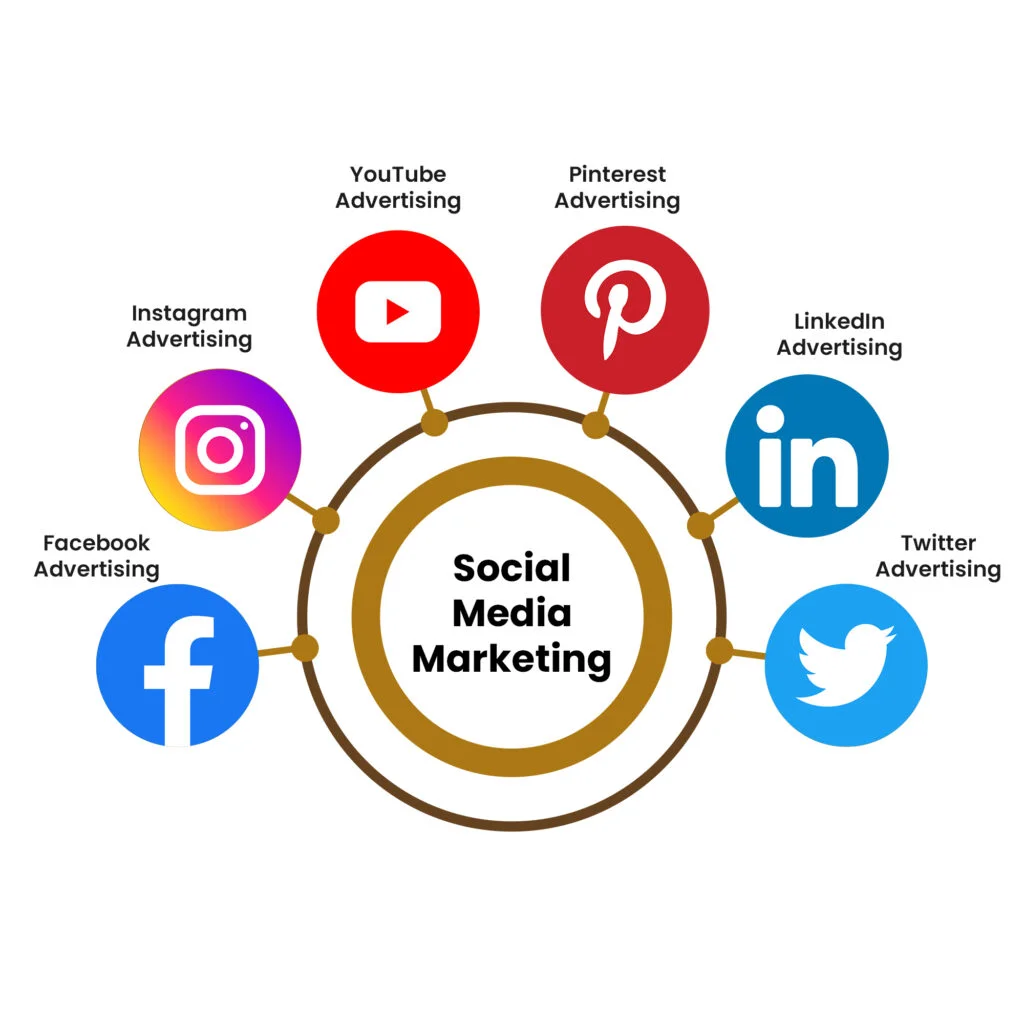
Different platforms serve different purposes. Choosing the right platform depends on your audience and business goals.
1. Instagram & Facebook
Ideal for visual content, brand storytelling, and paid advertising. These platforms work well for consumer brands, e-commerce, and influencers.
2. LinkedIn
Best for B2B marketing, professional networking, and lead generation. LinkedIn is highly effective for service-based businesses and personal branding.
3. X (Twitter)
Perfect for real-time updates, brand voice, and trending conversations. It helps build authority and engage with industry discussions.
4. YouTube
Video-focused platform that supports long-term content visibility. YouTube is excellent for tutorials, reviews, and brand education.
Social Media Marketing Strategies That Drive Engagement
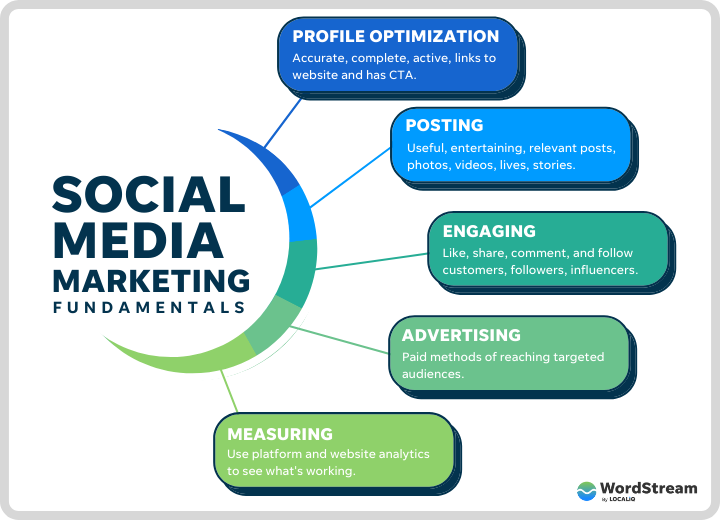
Successful social media marketing focuses on value, consistency, and authenticity rather than aggressive promotion.
Content strategy is the foundation. Businesses should share informative, entertaining, and problem-solving content that resonates with their audience.
Consistency builds trust and keeps your brand visible.
Engagement—replying to comments, messages, and mentions—creates strong connections and boosts algorithm reach.
Paid social media advertising further enhances results by targeting specific demographics, interests, and behaviors.
Role of Content in Social Media Marketing
Content is the heart of social media marketing. High-quality content increases engagement, shares, and brand recall.
Effective content types include:
- Educational posts
- Short videos and reels
- Infographics and carousels
- Polls and interactive stories
- User-generated content
The more value your content provides, the stronger your engagement grows.
Measuring Social Media Marketing Performance
Tracking performance helps businesses understand what works and what needs improvement. Analytics tools provide insights into reach, engagement, clicks, and conversions.
Key metrics to monitor include:
- Engagement rate
- Follower growth
- Click-through rate
- Conversion rate
Data-driven optimization leads to better engagement and higher ROI.
Social Media Marketing Tools Overview
| Category | Tools | Purpose |
|---|---|---|
| Scheduling | Buffer, Hootsuite | Content planning & posting |
| Analytics | Meta Insights, LinkedIn Analytics | Performance tracking |
| Design | Canva | Visual content creation |
| Ads | Meta Ads Manager | Paid campaign management |
Common Social Media Marketing Mistakes to Avoid
Many businesses fail to see results due to common mistakes. Posting without strategy, ignoring engagement, and focusing only on sales can harm brand trust.
A successful approach requires clear goals, audience understanding, and consistent optimization.
Future of Social Media Marketing
The future of social media marketing is video-driven, AI-assisted, and community-focused. Short-form videos, automation tools, influencer collaborations, and personalized content will dominate growth strategies.
Disclaimer : This article is for informational purposes only. Social media marketing results may vary based on platform, industry, and strategy. Always test and analyze before scaling campaigns.
FAQs
What is social media marketing?
Social media marketing is the use of social media platforms to promote brands, products, or services by creating content, engaging with users, and running paid advertisements to achieve business goals.
Why is social media marketing important for businesses?
Social media marketing helps businesses increase brand visibility, build customer trust, and drive engagement. It allows direct communication with audiences and supports lead generation and sales growth.
Which social media platform is best for marketing?
The best platform depends on your target audience. Instagram and Facebook are ideal for visual and consumer brands, LinkedIn works best for B2B marketing, YouTube supports video content, and X (Twitter) is useful for real-time engagement.
How often should businesses post on social media?
Posting frequency varies by platform, but consistency is more important than quantity. Most businesses benefit from posting 3–5 times per week while maintaining content quality.
How does social media marketing increase engagement?
Social media marketing increases engagement through valuable content, audience interaction, timely responses, and personalized messaging. Engagement improves when brands focus on conversation rather than promotion.
Can social media marketing help small businesses?
Yes, social media marketing allows small businesses to grow with limited budgets by targeting specific audiences, building brand awareness, and driving traffic organically or through low-cost ads.
How can businesses measure social media marketing success?
Success is measured using engagement rate, reach, follower growth, clicks, and conversions. Analytics tools provide insights to improve future campaigns.
#SocialMediaMarketing #DigitalMarketing #BrandGrowth #AudienceEngagement #ContentMarketing #OnlineMarketing #MarketingStrategy #Carrerbook #Anslation#BusinessGrowth #SocialMediaTips #GrowthMarketing