

The digital advertising world moves fast, and most of the buying and selling of ads now happens automatically. At the heart of this automated system are two powerful platforms: DSPs (Demand-Side Platforms) and SSPs (Supply-Side Platforms). They work together to match advertisers with publishers in real time, ensuring ads reach the right people while publishers earn the most from their ad space. Let’s walk through this in a simple and clear way.
What Is a DSP?

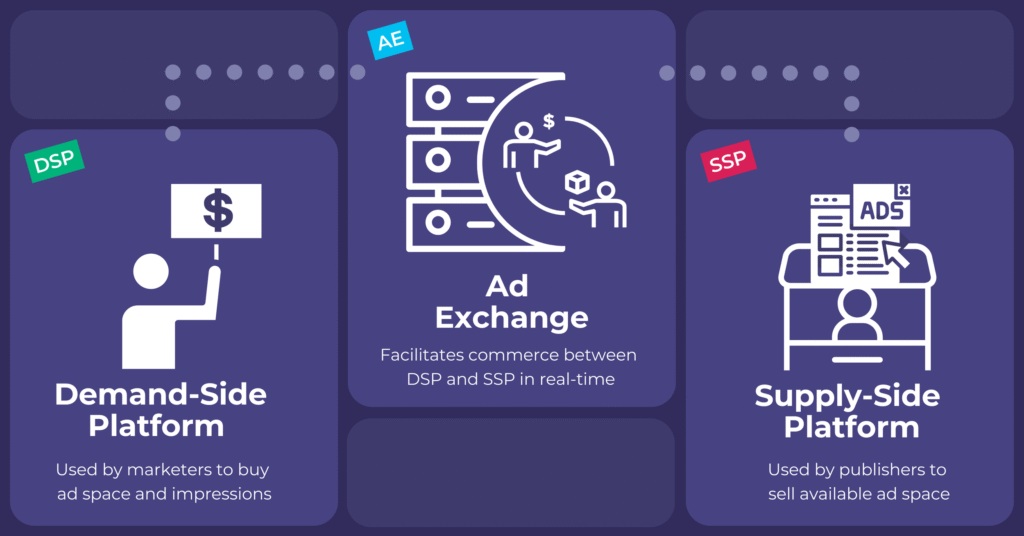
A DSP is a tool advertisers use to purchase ad inventory across websites, apps, video platforms, and more—without having to negotiate manually. It’s like a smart buying machine that decides where and when ads should appear.
What a DSP does
- Audience Targeting:
DSPs allow advertisers to target users based on interests, demographics, location, behavior, device type, and more. For example, if a brand wants to reach mothers aged 25–35 living in Delhi, the DSP can find that specific audience across many sites. - Budget and Bid Management:
Advertisers set how much they want to spend and what their goals are. The DSP then automatically adjusts bids to get the best results for the lowest cost. - Real-Time Bidding (RTB):
Every time a webpage loads, the DSP gets an opportunity to bid on that impression. This entire auction happens in milliseconds. - Inventory Access at Scale:
DSPs connect to multiple ad exchanges, so advertisers can reach users on thousands of publishers at once. - Performance Optimization:
DSPs use AI and data to optimize campaigns—shifting spend to high-performing audiences, creatives, or formats.
Why DSPs matter
DSPs save time, reduce wasted ad spend, increase accuracy in targeting, and allow marketers to scale campaigns effortlessly.
Maximize your ad performance with Perion DSP Solutions
What Is an SSP?
An SSP is the publisher’s side of the system. It helps websites and apps sell their ad space automatically and earn the highest revenue possible.
What an SSP does
- Manages Ad Inventory:
SSPs help publishers organize the ad spaces available on their site—banner ads, video slots, native placements, etc. - Connects to Multiple Buyers:
The SSP sends each available impression to many ad exchanges and DSPs, increasing competition. - Runs Real-Time Auctions:
When a user visits the site, the SSP triggers an instant auction among advertisers. The highest bidder wins. - Ad Quality Control:
SSPs filter out low-quality or harmful ads and ensure safe, brand-friendly ad experiences. - Revenue Optimization:
SSPs use machine learning to analyze demand, adjust floors, and help publishers earn more per impression.
Why SSPs matter
Without SSPs, publishers would struggle to sell inventory efficiently and earn consistent revenue.
How DSPs and SSPs Work Together
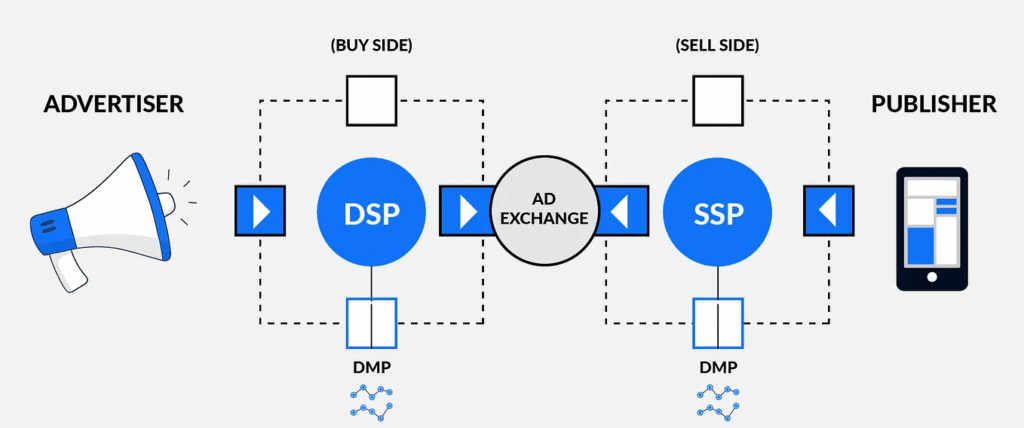
Here’s the complete simplified journey:
- A user visits a website or app.
- The publisher’s SSP detects a free ad slot.
- SSP sends an ad request to the Ad Exchange.
- The Ad Exchange forwards this request to multiple DSPs.
- Each DSP checks if the user matches its advertiser’s targeting.
- If yes, the DSP places a bid in real time.
- The highest bid wins the auction.
- The winning ad is instantly shown to the user.
- SSP tracks performance to help the publisher improve earnings.
- DSP tracks results to optimize future bids.
All this takes place in less than a blink—around 100 milliseconds.
DSP vs SSP: Clear Difference
| Feature | DSP | SSP |
|---|---|---|
| Used by | Advertisers | Publishers |
| Purpose | Buy ad inventory | Sell ad inventory |
| Goal | Lowest cost, best audience | Highest revenue |
| Works with | Ad exchanges, SSPs | Ad exchanges, DSPs |
| Auction Role | Places bids | Hosts auctions |
Real-Life Examples
Popular DSPs
- Google DV360
- The Trade Desk
- Amazon DSP
- MediaMath
- Adobe Advertising Cloud
Popular SSPs
- Google Ad Manager
- PubMatic
- Magnet
- OpenX
- Index Exchange
Extra Important Points
1. The Role of Data in AdTech
DSPs heavily rely on user data—first-party, second-party, and third-party data. Better data results in better targeting, which leads to improved performance.
2. Fraud Prevention
Both DSPs and SSPs use fraud-detection tools to prevent fake clicks, bot traffic, and invalid impressions, ensuring ads deliver real value.
3. Transparency and Reporting
Marketers can see where their ads are shown, how much they paid, and the performance of each ad. This reduces guesswork and improves decision-making.
4. Cross-Device and Cross-Channel Reach
DSPs allow campaigns to run across mobile, desktops, CTV, audio apps, and more, creating a seamless experience for the audience.
5. Creative Personalization
Modern DSPs can personalize ads in real time—showing different messages to different users based on behavior, location, or interests.
Conclusion
DSPs and SSPs are the engines that power today’s automated ad ecosystem. Together, they make sure advertisers reach the right audience at the right price, while publishers earn maximum revenue for their available ad space. Once you understand how these platforms work, you can run smarter campaigns, improve ROI, and stay ahead in digital marketing.
Note: The information shared in this article is for educational and informational purposes only. While every effort has been made to ensure accuracy, the AdTech ecosystem changes frequently due to new technologies, policies, and industry updates. Readers are encouraged to verify details independently and use the insights here as general guidance, not professional or financial advice.
#AdTech #DigitalAdvertising #ProgrammaticAds #DSP #SSP #AdTechnology #RTB #MarketingTrends #MediaBuying #AdExchange #AIinAdvertising #PerformanceMarketing #OnlineAds #MarTech #Carrerbook#Anslation.