
In today’s fast-moving online world, digital marketing has become the backbone of business growth. Traditional advertising alone is no longer enough. Brands now compete for attention on search engines, social media platforms, and AI-driven digital spaces. From small startups to global enterprises, digital marketing helps businesses connect, convert, and scale faster than ever before. This guide explains digital marketing in a simple yet professional way, covering SEO, social media marketing, and artificial intelligence, so you can understand how everything works together.
What Is Digital Marketing?
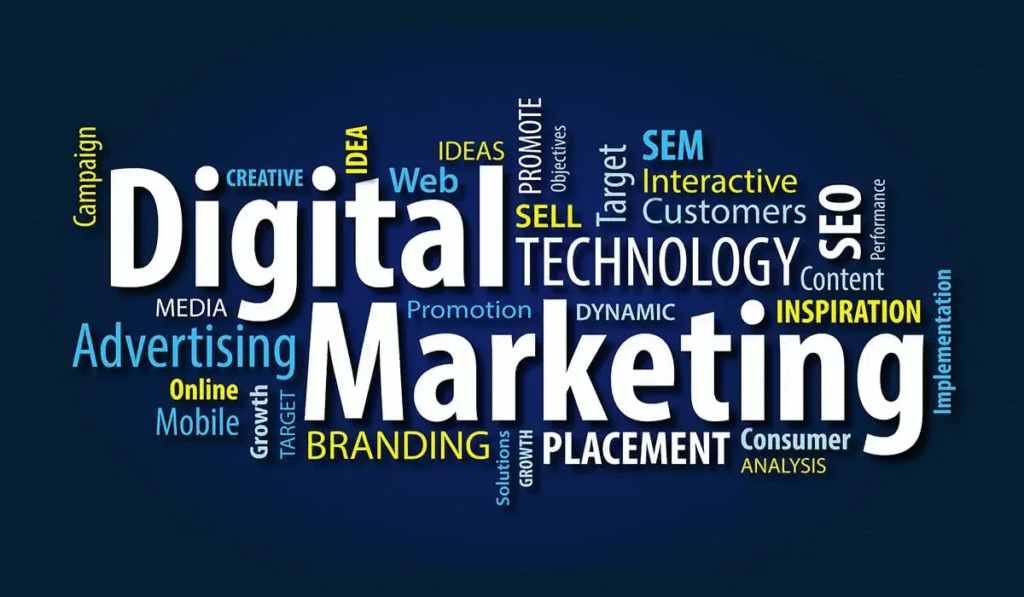
Digital marketing refers to promoting products or services through online channels such as search engines, websites, social media platforms, email, and mobile apps. Unlike offline marketing, digital marketing allows real-time tracking, targeted campaigns, and measurable results.
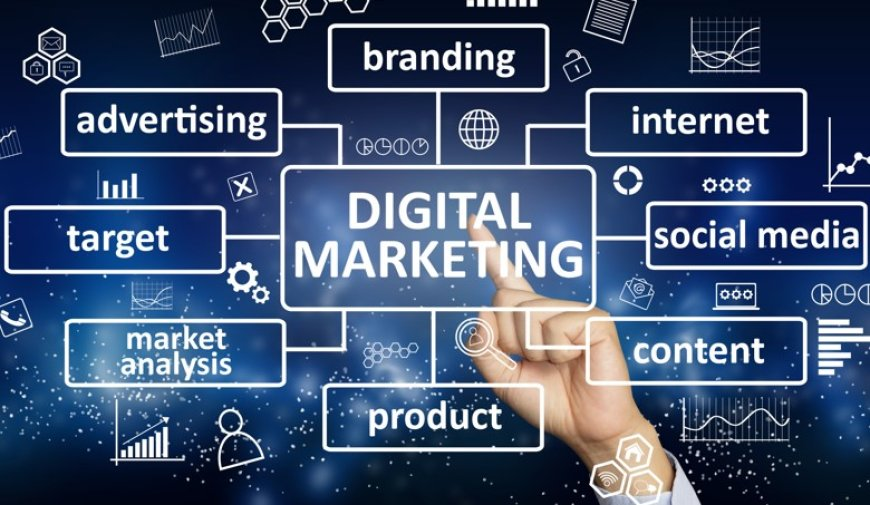
At its core, digital marketing focuses on reaching the right audience at the right time with the right message. Whether someone searches on Google, scrolls Instagram, or interacts with AI chatbots, digital marketing ensures your brand stays visible and relevant.
SEO: The Foundation of Digital Marketing Success
Search Engine Optimization (SEO) is one of the most powerful digital marketing strategies. It helps websites rank higher on Google and other search engines, driving organic (free) traffic over the long term.
SEO works by optimizing keywords, content quality, website speed, mobile responsiveness, and backlinks. When done correctly, SEO builds trust, authority, and long-term visibility for your brand.
Key Elements of SEO
- On-page SEO focuses on content, keywords, headings, and internal linking.
- Off-page SEO improves authority through backlinks and brand mentions.
- Technical SEO ensures fast loading, secure websites, and proper indexing.
SEO is not about quick wins—it’s about sustainable growth that keeps delivering results month after month.
Social Media Marketing: Building Trust & Engagement
Social media marketing is about connecting with people, not just selling products. Platforms like Instagram, Facebook, X (Twitter), LinkedIn, and YouTube allow brands to create conversations, build communities, and increase brand loyalty.
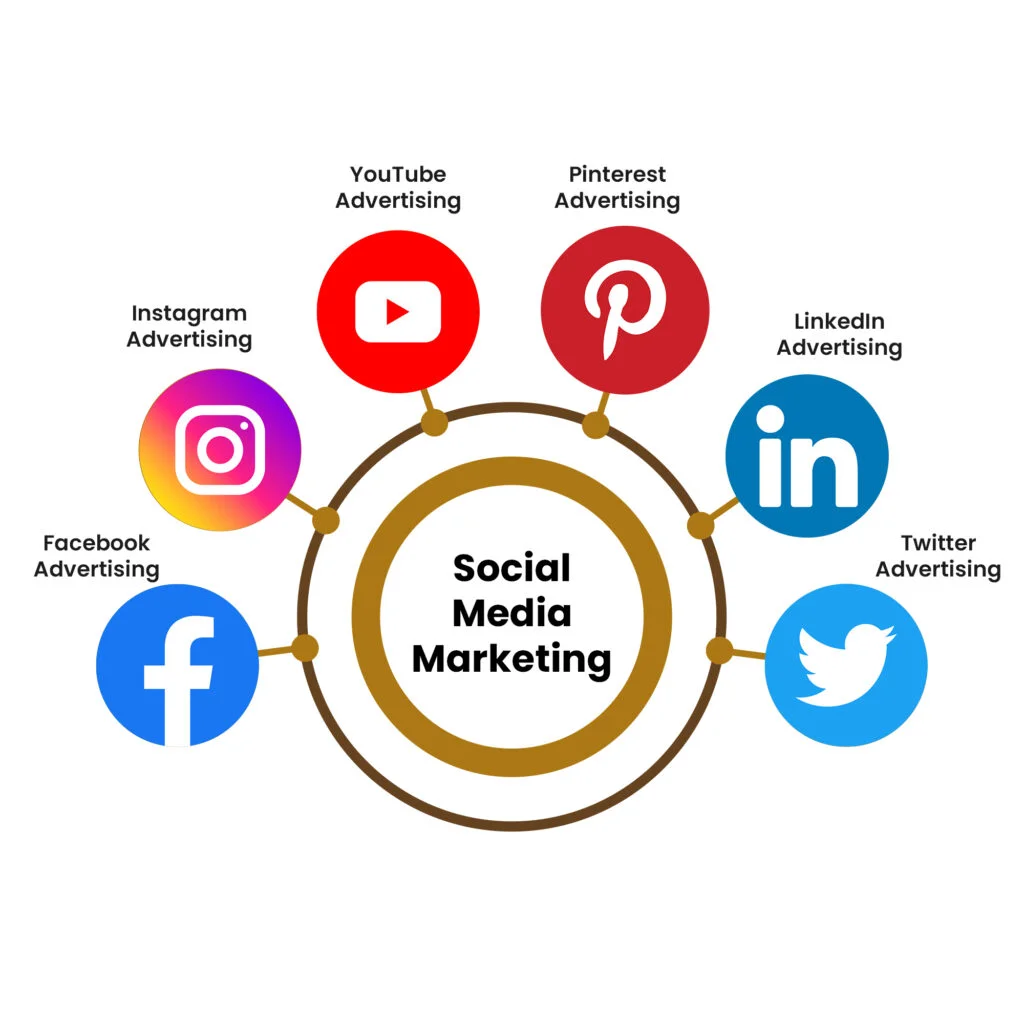
With billions of active users worldwide, social media has become a powerful traffic and conversion channel. Businesses can promote content organically or use paid advertising to target specific demographics, interests, and behaviors.
Why Social Media Marketing Works
- Boosts brand awareness and online presence
- Builds direct relationships with customers
- Drives traffic and sales through strategic campaigns
- Supports SEO by increasing content reach and engagement
Successful social media marketing focuses on valuable content, consistency, and audience interaction, not aggressive promotion.
AI in Digital Marketing: The Game Changer
Artificial Intelligence is transforming digital marketing faster than ever. AI helps marketers analyze data, automate tasks, personalize experiences, and predict user behavior with high accuracy.
From AI content tools to chatbots and smart ad targeting, AI improves efficiency while reducing manual effort. Businesses now use AI to understand what users want—sometimes even before they search.
How AI Is Used in Digital Marketing
- AI-powered SEO tools for keyword research and content optimization
- Chatbots for instant customer support and lead generation
- Personalized marketing campaigns based on user behavior
- Predictive analytics to forecast trends and performance
AI doesn’t replace marketers—it enhances creativity and decision-making.
How SEO, Social Media & AI Work Together
The real power of digital marketing lies in integration. SEO attracts search traffic, social media builds engagement, and AI optimizes performance. When combined, they create a strong, scalable marketing ecosystem.
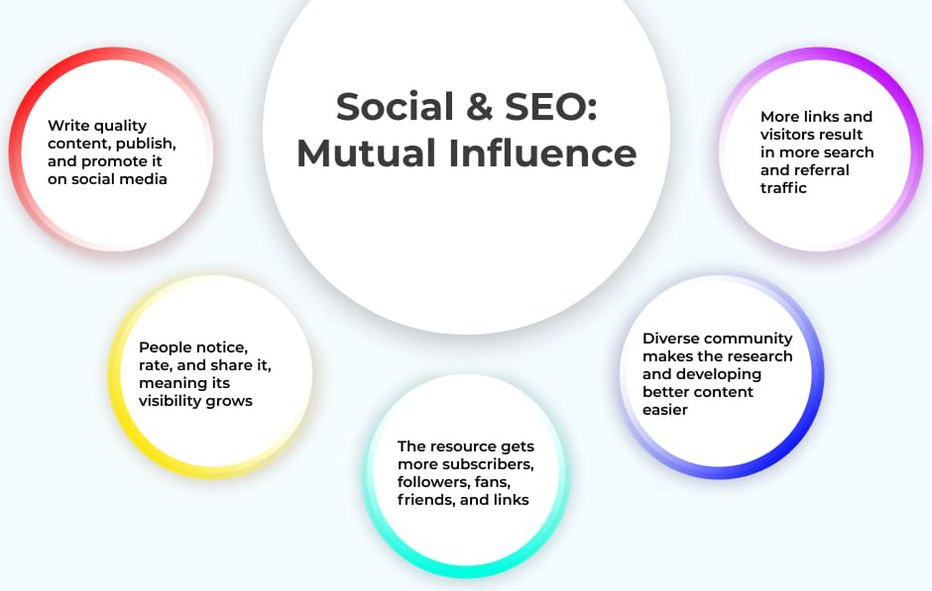
For example, SEO content can be shared on social media, while AI analyzes engagement data to improve future strategies. This synergy leads to higher visibility, better conversions, and long-term growth.
Digital Marketing Tools Overview
Here’s a quick comparison of popular digital marketing tools:
| Category | Tools | Purpose |
|---|---|---|
| SEO | Google Search Console, Ahrefs | Ranking & traffic analysis |
| Social Media | Hootsuite, Buffer | Scheduling & engagement |
| AI Tools | ChatGPT, Jasper | Content & automation |
| Analytics | Google Analytics | Performance tracking |
Benefits of Digital Marketing for Businesses
Digital marketing offers measurable, flexible, and cost-effective growth opportunities. Unlike traditional marketing, it allows businesses to track every click, impression, and conversion.
Key benefits include:
- Global reach with local targeting
- Higher ROI compared to offline ads
- Real-time performance tracking
- Better customer insights
Whether you’re a blogger, entrepreneur, or brand, digital marketing gives you full control over your growth strategy.
Future of Digital Marketing
The future of digital marketing will be AI-driven, data-focused, and highly personalized. Voice search, automation, video content, and predictive marketing will dominate the landscape.
Businesses that adapt early and invest in SEO, social media, and AI integration will stay ahead of competitors in the digital race.
Disclaimer : This article is for informational purposes only. Digital marketing strategies and tools may vary based on industry trends and business goals. Always conduct your own research before implementing any marketing strategy.
FAQs
What is digital marketing in simple words?
Digital marketing is the promotion of products or services using online platforms such as search engines, social media, websites, email, and mobile apps. It helps businesses reach the right audience, increase visibility, and generate leads digitally.
Why is digital marketing important for businesses?
Digital marketing is important because it offers measurable results, global reach, and cost-effective promotion. Businesses can track performance in real time, target specific audiences, and improve conversion rates more efficiently than traditional marketing.
What are the main types of digital marketing?
The main types of digital marketing include SEO (Search Engine Optimization), social media marketing, content marketing, email marketing, PPC advertising, affiliate marketing, and AI-driven marketing strategies. Each plays a unique role in online growth.
How does SEO help in digital marketing?
SEO helps websites rank higher on search engines, which increases organic traffic and brand credibility. It focuses on keywords, quality content, backlinks, and technical optimization to deliver long-term results.
Which social media platforms are best for digital marketing?
The best platforms depend on your audience. Instagram and Facebook work well for consumer brands, LinkedIn is ideal for B2B marketing, YouTube supports video marketing, and X (Twitter) helps with real-time engagement and brand awareness.
#DigitalMarketing #SEO #SocialMediaMarketing#Carrerbook #Anslation #AIMarketing #ContentMarketing #OnlineMarketing #MarketingStrategy #DigitalGrowth #BusinessGrowth #MarketingTrends