

In today’s digital world, data is everywhere. From social media interactions and online purchases to website visits and mobile app usage, every action creates valuable information. But data alone is not powerful — analytics is what transforms raw data into meaningful insights. In the digital age, analytics has become more important than ever because it helps businesses, organizations, and even individuals make smarter, faster, and more strategic decisions.
The Rise of Data-Driven Decision Making
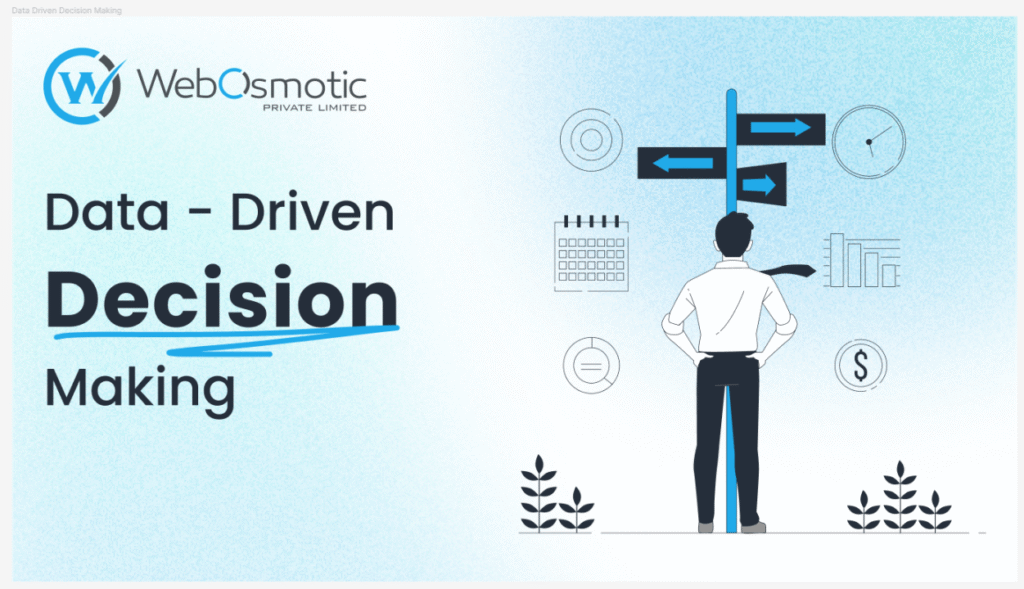
Gone are the days when decisions were made purely on guesswork or intuition. Today, companies rely on analytics to understand customer behavior, track performance, and identify opportunities for growth. Whether it’s a small startup or a global enterprise, data-driven decision-making reduces risk and increases efficiency.
Analytics allows businesses to answer critical questions like:
- What do customers really want?
- Which marketing campaigns are working?
- Where are we losing revenue?
- How can we improve user experience?
By analyzing patterns and trends, companies can make informed decisions that lead to better outcomes.
Improving Customer Experience
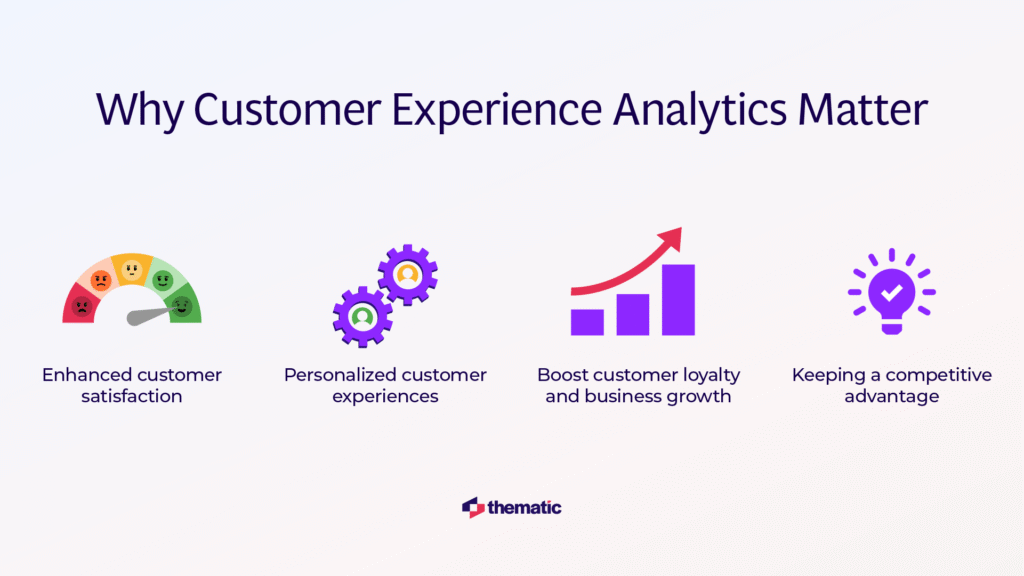
In the digital era, customer expectations are higher than ever. People want personalized experiences, fast service, and relevant recommendations. Analytics makes personalization possible.
For example, e-commerce platforms use analytics to recommend products based on browsing history. Streaming services suggest shows based on viewing patterns. Even email marketing campaigns are optimized through data analysis. This level of personalization increases customer satisfaction and builds long-term loyalty.
Driving Business Growth
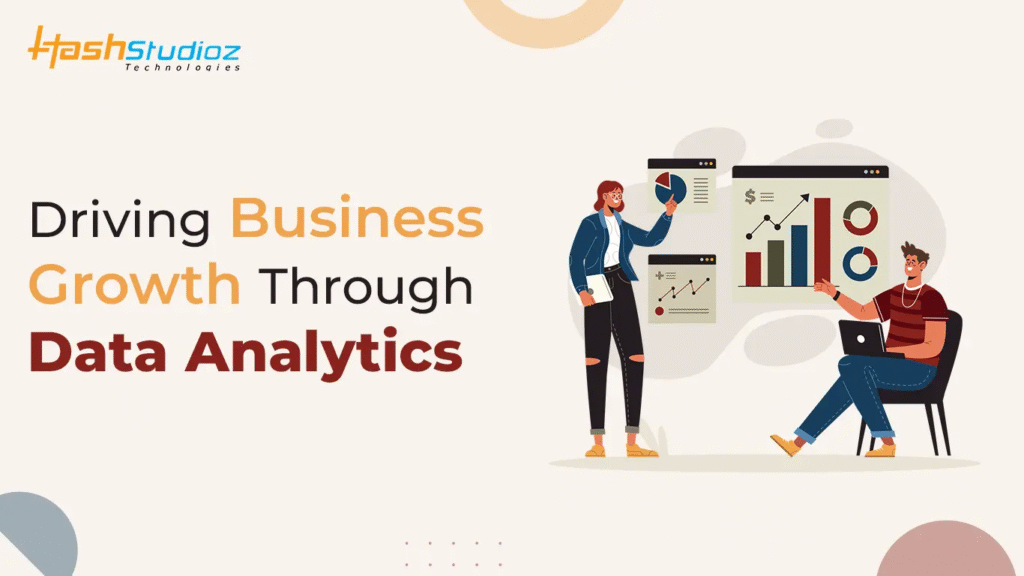
Analytics plays a key role in identifying growth opportunities. By studying market trends, competitor performance, and customer preferences, businesses can discover new areas to expand.
Predictive analytics, powered by artificial intelligence and machine learning, helps organizations forecast future trends. This allows companies to prepare in advance, reduce risks, and stay ahead of competitors. In a fast-changing digital environment, this competitive advantage is crucial.
Enhancing Marketing Effectiveness
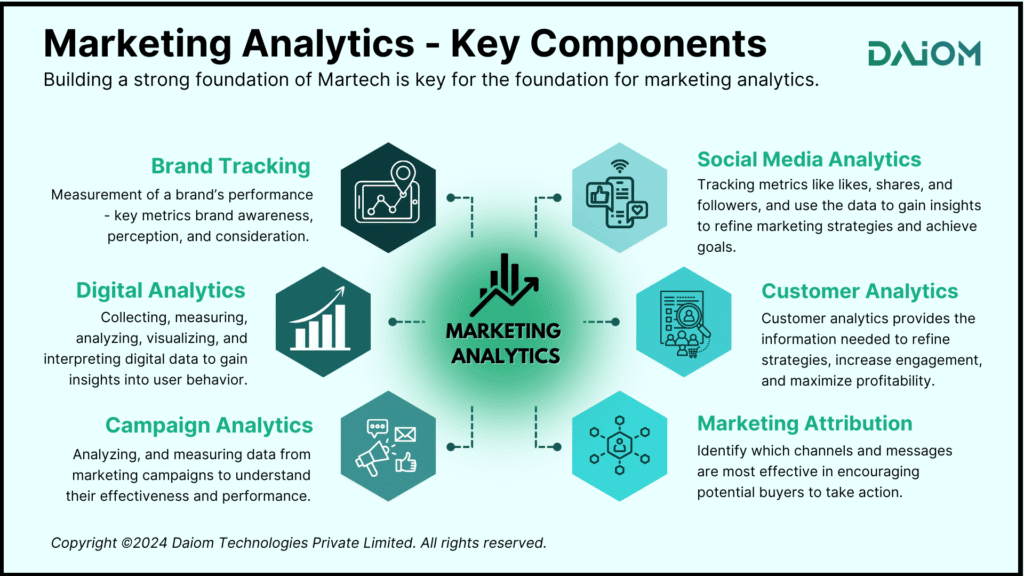
Digital marketing relies heavily on analytics. From website traffic to conversion rates and social media engagement, every metric provides insight into campaign performance.
Tools like Google Analytics, social media insights, and CRM dashboards help marketers measure ROI and adjust strategies in real time. Instead of wasting budget on ineffective campaigns, businesses can focus on what truly works.
Supporting Innovation and Efficiency
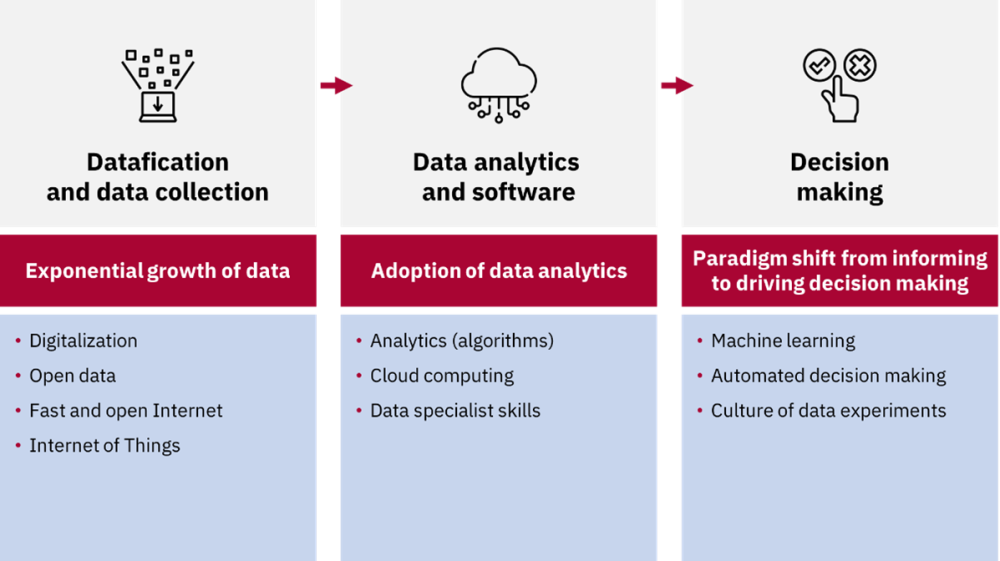
Analytics also improves internal operations. It helps organizations optimize supply chains, reduce costs, and increase productivity. In industries like healthcare, finance, education, and technology, analytics supports innovation by uncovering patterns that were previously hidden.
Real-time analytics allows businesses to respond quickly to challenges and opportunities. This agility is essential in the digital age, where trends can change overnight.
Key Benefits of Analytics in the Digital Age
| Area | Impact of Analytics |
|---|---|
| Decision Making | Data-driven and accurate |
| Customer Experience | Personalized and improved |
| Marketing | Higher ROI and targeted campaigns |
| Operations | Increased efficiency and cost reduction |
| Growth Strategy | Better forecasting and planning |
Final Thoughts
Analytics is no longer optional — it is essential. In a world driven by digital interactions, data is one of the most valuable assets a business can have. However, the true power lies in how that data is analyzed and applied.
Organizations that embrace analytics gain deeper insights, stronger customer relationships, and a competitive edge. As technology continues to evolve, the importance of analytics will only grow. In the digital age, those who understand their data will lead the future.
#Analytics #DigitalAge #DataDriven #BusinessGrowth #MarketingAnalytics #AIAnalytics #BigData #DigitalTransformation #Carrerbook #Anslation