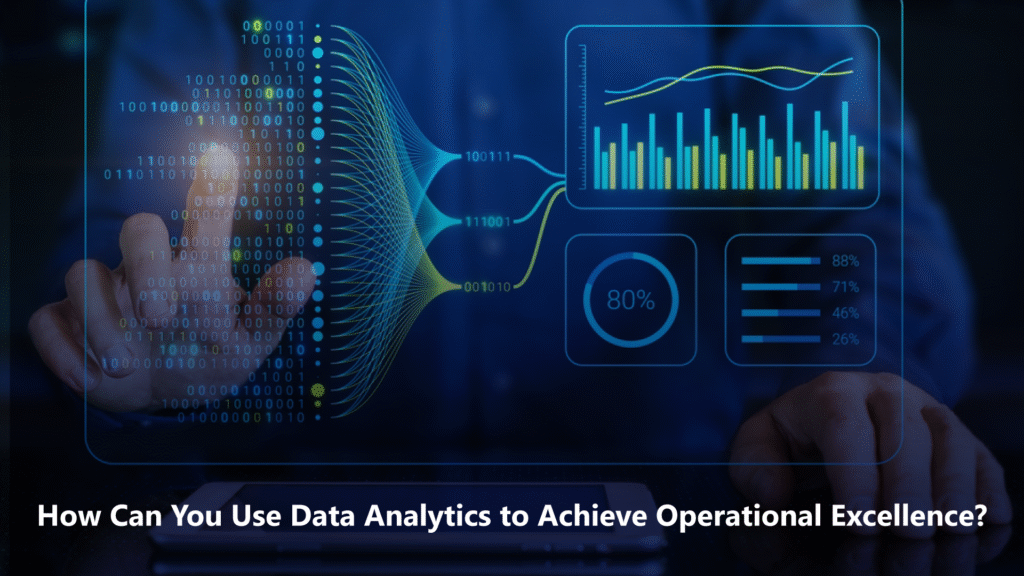

In today’s digital-first and data-driven business environment, analytics has become the backbone of strategic decision-making. Organizations that rely on data rather than assumptions are better equipped to improve performance, identify growth opportunities, and stay ahead of the competition. Analytics transforms raw data into meaningful insights that guide smarter actions and measurable outcomes.
Analytics that truly drive performance and growth go beyond basic reporting. They help businesses understand what is working, what needs improvement, and where future opportunities lie. When used correctly, analytics empowers teams to make informed decisions that lead to sustainable success.
Understanding the Role of Analytics in Modern Business
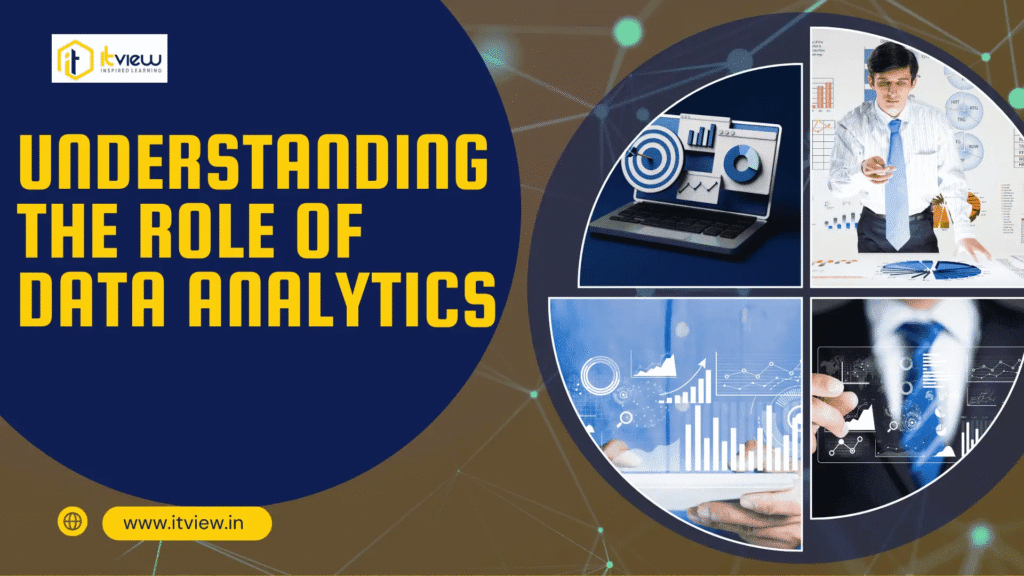
Analytics plays a critical role in helping businesses monitor performance and adapt to changing market conditions. It provides clarity by converting complex data into actionable insights that support planning and execution.
Modern analytics helps organizations:
- Track key performance indicators (KPIs)
- Understand customer behavior and preferences
- Identify trends and patterns
- Measure the impact of strategies and campaigns
With analytics, businesses can move from reactive decision-making to proactive growth planning.
How Analytics Improves Business Performance
Performance improvement is one of the most immediate benefits of analytics. By continuously monitoring data, organizations can identify inefficiencies, optimize processes, and enhance productivity.
Analytics-driven performance improvement includes:
- Identifying underperforming areas
- Optimizing operational workflows
- Improving resource allocation
- Enhancing customer experience
Data-backed insights allow businesses to make precise adjustments that lead to measurable performance gains.
Driving Business Growth Through Data-Driven Insights
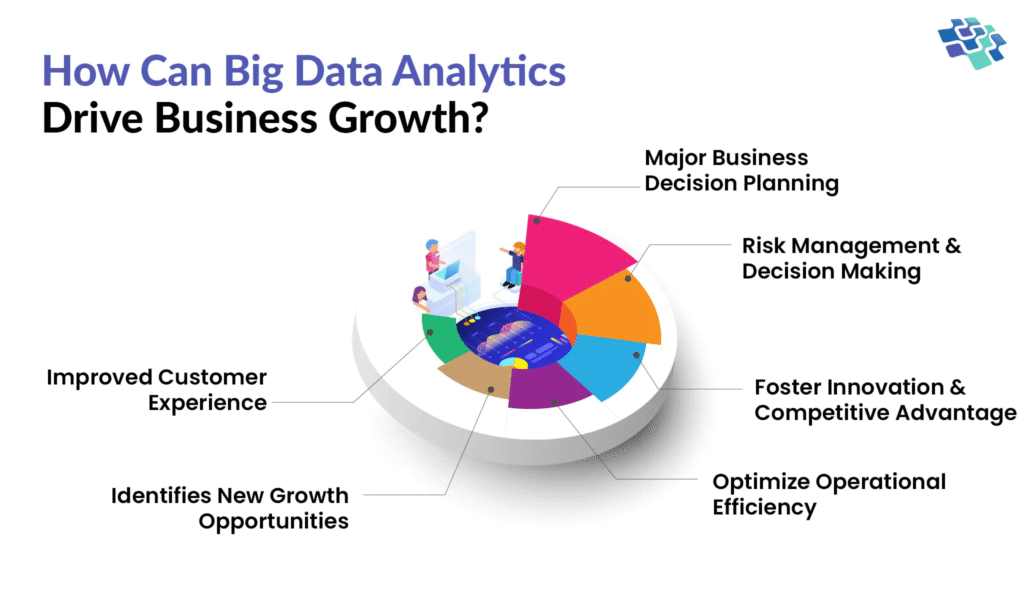
Growth is sustainable when it is guided by insights rather than guesswork. Analytics enables businesses to uncover opportunities for expansion, innovation, and market penetration.
Analytics supports growth by:
- Identifying high-value customer segments
- Revealing profitable products or services
- Predicting market trends
- Supporting expansion and scaling decisions
When growth strategies are informed by analytics, businesses are more confident and agile in their execution.
Customer Analytics: Understanding the Audience
Customer analytics helps organizations gain a deeper understanding of their audience. By analyzing customer data, businesses can tailor experiences, personalize offerings, and improve retention.
Key benefits of customer analytics include:
- Improved targeting and personalization
- Better customer journey mapping
- Higher engagement and satisfaction
- Increased loyalty and lifetime value
Understanding customer behavior is essential for driving both performance and growth.
Marketing Analytics and Performance Optimization
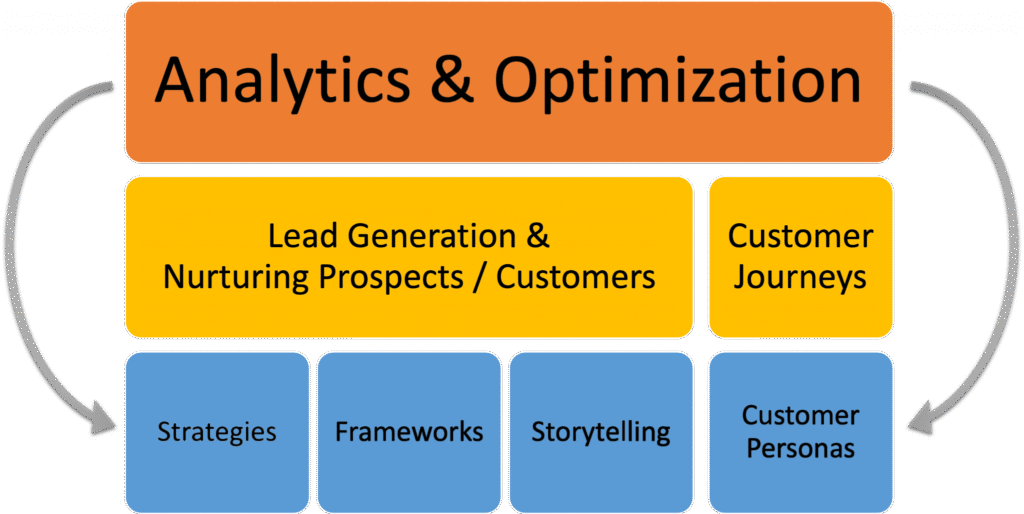
Marketing analytics is essential for measuring campaign effectiveness and maximizing return on investment (ROI). It helps marketers understand which channels, messages, and strategies deliver the best results.
Marketing analytics enables:
- Campaign performance tracking
- Channel optimization
- Conversion rate improvement
- Budget efficiency
Data-driven marketing decisions lead to higher impact and scalable growth.
Operational Analytics for Efficiency and Productivity
Operational analytics focuses on improving internal processes and workflows. By analyzing operational data, businesses can reduce costs, improve efficiency, and enhance overall productivity.
Operational analytics supports:
- Process optimization
- Cost control and reduction
- Performance benchmarking
- Quality improvement
Efficient operations create a strong foundation for long-term growth.
Predictive Analytics: Planning for the Future
Predictive analytics uses historical data to forecast future outcomes. It enables businesses to anticipate trends, manage risks, and plan proactively.
Predictive analytics helps in:
- Demand forecasting
- Risk assessment
- Strategic planning
- Resource optimization
By looking ahead, businesses can make smarter decisions that support sustained growth.
Real-Time Analytics for Faster Decision-Making
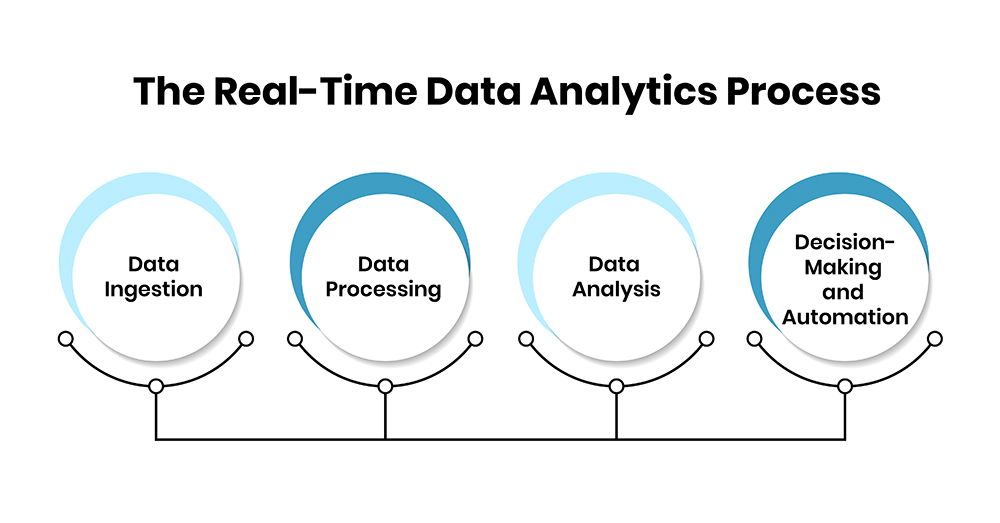
In a fast-moving business environment, real-time analytics provides immediate insights that allow organizations to respond quickly to changes.
Real-time analytics enables:
- Immediate performance monitoring
- Faster issue resolution
- Agile decision-making
- Improved customer responsiveness
Speed and accuracy in decision-making are critical drivers of competitive advantage.
Measuring Success with the Right Metrics
Choosing the right metrics is essential for effective analytics. Not all data is valuable; focusing on relevant KPIs ensures meaningful insights.
Key metrics include:
- Revenue growth
- Customer acquisition and retention
- Conversion rates
- Operational efficiency
- Customer satisfaction
Tracking the right metrics ensures analytics efforts directly support performance and growth goals.
Building a Data-Driven Culture
Analytics is most effective when supported by a data-driven culture. Teams that value data are more likely to use insights consistently and effectively.
A strong data-driven culture involves:
- Data literacy across teams
- Clear goals and KPIs
- Collaboration between departments
- Continuous learning and improvement
Culture plays a key role in turning analytics into action.
Challenges in Analytics and How to Overcome Them
Despite its benefits, implementing analytics comes with challenges such as data silos, poor data quality, and lack of expertise.
Common challenges include:
- Inconsistent data sources
- Limited analytical skills
- Resistance to change
- Data security concerns
Overcoming these challenges requires proper tools, training, and leadership support.
The Future of Analytics in Business Growth
The future of analytics lies in advanced technologies such as artificial intelligence, machine learning, and automation. These technologies enhance accuracy, scalability, and predictive power.
As analytics continues to evolve, businesses that invest in advanced analytics capabilities will gain a significant competitive advantage and drive long-term growth.
Conclusion
Analytics that drive performance and growth enable organizations to make smarter decisions, optimize operations, and unlock new opportunities. By turning data into actionable insights, businesses can achieve measurable results and sustainable success in an increasingly competitive landscape.
Note: This content is for informational purposes only. Analytics outcomes may vary depending on data quality, tools used, and business context.
#Analytics #DataDriven #BusinessGrowth #PerformanceAnalytics #DataInsights#Carrerbook#Anslation.